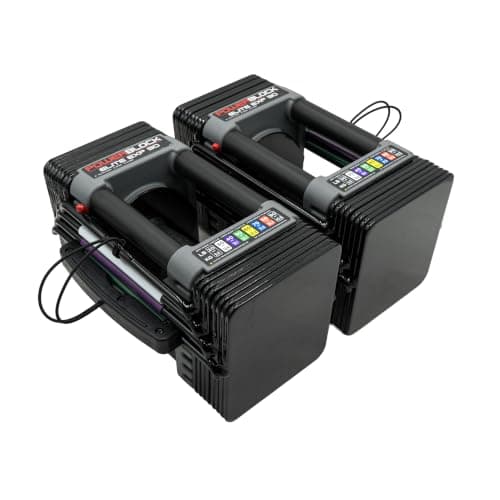
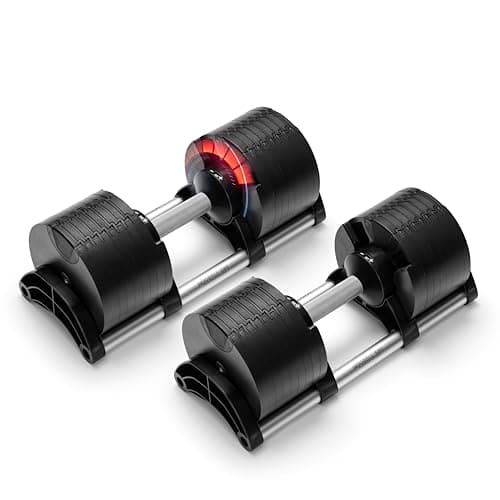
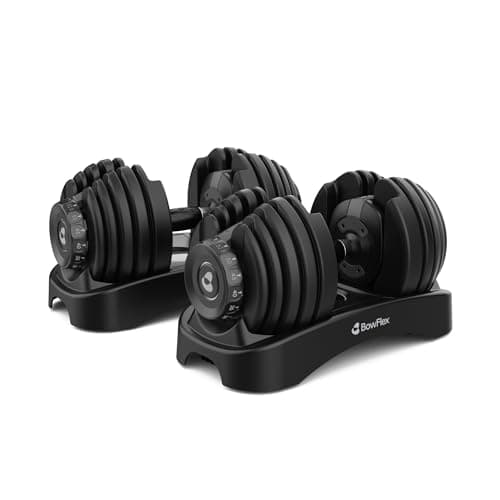
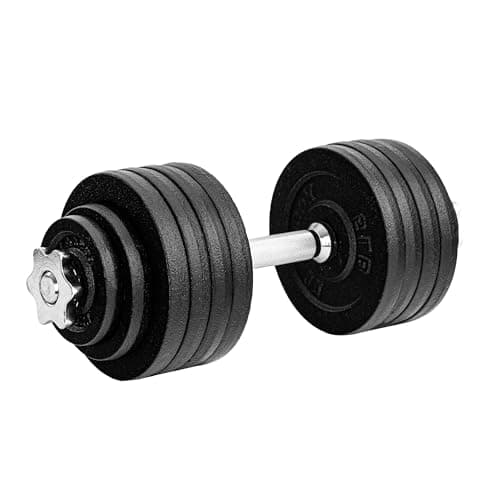
Repairability in this category is almost entirely a function of the mechanism you bought. A spinlock set — the Yes4All cast iron is the one we rank — is infinitely repairable, because every part is a standard part and the plates fit other handles. A selector-pin block like the PowerBlock Elite EXP has very little in it to fail and is the most robust of the real mechanisms. A dial or twist set is a sealed machine, and the honest answer there is warranty first, parts second, replacement third.
First, what actually breaks
The weight never breaks. Iron and steel plates have nothing in them to wear out, which is the starting point for every durability question on this site. What breaks is the selector and the housing around it, and the failures cluster into three kinds:
- The plate carrier or tray cracks. On a dial set, the plates sit in a tray and are held by plastic parts; the BowFlex 552 listing itself identifies the plastic tray and outer housing as the less rugged portion of the design. On a twist-handle set, the documented weak point is the plastic joining the steel plates. This is the failure that impact causes, and it is the one that ends a set.
- The selector stops engaging cleanly. A dial that will not seat, a collar that slips a position, a pin that no longer drops fully home. Sometimes this is debris or a bent component; sometimes it is wear on the engagement surfaces.
- Fasteners and handles loosen. The least serious category, and the only one most owners can address directly. Screws back out of things that get loaded and unloaded hundreds of times a year.
What is realistically fixable, by mechanism
Spinlock — fully repairable, effectively forever
There is no mechanism to repair. A threaded handle, cast iron plates and two screw collars are all individually replaceable commodity items, and the plates fit other spinlock handles — the Yes4All listing makes that compatibility point explicitly. A stripped collar is a few dollars. A bent handle is a new handle and you keep the plates. Nothing about this design can put you in a position where the weight you own becomes unusable.
Selector pin — little to fix, and little that fails
A pin through a steel block is the most robust real selector. The block shape also has no long protruding plates to bend, which is why we call the PowerBlock Elite EXP the most drop-tolerant adjustable we rank. The part most likely to need replacing is the pin itself, and the expansion-kit system means the brand sells components for the product line rather than only complete sets.
Dial and twist — warranty first
These are the designs where a failure is genuinely serious, because the broken part is usually internal and specific to that model. Your order of operations is:
- Check the warranty term and claim inside it. NÜOBELL publishes the longest named warranty in the category — two years, extended to four when bought direct from the manufacturer — which is a genuine repairability advantage and the reason we weight it in the product's favour. Most listings in this category publish no term at all.
- Ask the brand for the part. Some sell trays, handles and selector components separately; some do not. The BowFlex 552's advantage here is ubiquity — it is the most widely owned adjustable there is, so parts and support are comparatively easy to find.
- Do not improvise the load path. A cable-tied tray or a glued plate carrier is holding steel over your face. If the part that locks plates to the handle is compromised and cannot be properly replaced, the set is finished. This is the one place on this site where we would tell you to stop repairing something.
The four, ranked on what you can do when it breaks
| As published | Yes4All spinlock | PowerBlock Elite EXP | NÜOBELL | BowFlex 552 |
|---|
| Mechanism | Screw collars | Selector pin | Twist handle | Dial |
| Parts are standard | Yes | Partly, brand kits | No | No |
| Plates usable on other handles | Yes | No | No | No |
| Published warranty | Not published on listing | Not published on listing | 2 years, 4 direct | Not published on listing |
| Documented weak point | None | Few; shape is the trade | Plastic joining the plates | Plastic tray and housing |
| Drop tolerance | Highest here | High | Low — set down, never drop | Low |
Every cell is quoted from the manufacturer listing linked in Sources, or marked as not published. Three of the four publish no warranty term on the listing, which is the single most useful thing to establish before you buy a mechanism product.
Maintenance that prevents most of this
Almost every failure in this category is caused rather than scheduled. Four habits cost nothing:
- Set down, never drop. Impact is the primary cause of cracked trays and plate carriers. If your training involves dumbbells hitting the floor, you want iron, not a mechanism.
- Seat the selector fully before lifting. Lifting between positions loads engagement surfaces in a way they are not designed for, and it is also the only genuinely dangerous failure mode.
- Keep the cradle clean. These are sliding mechanisms and grit is their enemy. A wipe every few weeks in a garage is enough — garage conditions are their own subject on keeping gym equipment from rusting in a garage.
- Store them in the cradle, selector at rest. The cradle is the designed resting place; a floor is not.
How to buy a repairable set
The decision is made at purchase. Before you order, establish three things: does the brand publish a warranty term, does it sell parts separately, and is any of the weight you are buying usable if the handle dies. A spinlock set answers all three in your favour. A dial set often answers none of them, which is a real cost that does not appear on the price tag.
That is the same checklist we apply across the site in the replacement parts guide, and it is why the buy-it-for-life approach keeps landing on equipment with fewer moving parts rather than better ones. In dumbbells specifically, the mechanism-free option is also the cheapest thing on the shelf — which is unusual, and worth exploiting.
A repairability checklist for adjustable dumbbells
Is there a published warranty term?
Find it before you order, not after a failure. One of the four sets here publishes a term on its listing; the other three do not, which means checking the brand's own site. On a mechanism product, the warranty is part of what you are paying for.
Does the brand sell parts?
Trays, handles, collars, selector components, pins. A brand with a parts page is a brand that expects to keep your set alive. A brand that only sells complete sets has told you what it expects to happen.
Is the weight reusable without the handle?
This is the question almost nobody asks. Spinlock plates fit other spinlock handles, so a dead handle costs you a handle. Proprietary plate carriers are worth nothing without their specific mechanism, so a dead selector costs you the whole set.
How much plastic is in the load path?
Read the listing for what physically holds the plates to the handle. Steel-to-steel engagement outlasts plastic-to-steel. Where a listing says nothing, assume plastic — and see how adjustable dumbbells work for what each mechanism puts under load.
Will you actually drop them?
Answer honestly. If dumbbells get dropped in your training, no dial or twist set will survive long regardless of warranty, and the right purchase is iron. If you set weights down under control, the mechanism designs are fine and you can buy for speed instead.