Under $50, the best gift for someone with a home gym is a small steel thing they use every session and would never buy for themselves. Not a gadget, not a shaker, not a shirt. Collars, change plates, storage — the boring upgrades that make every workout slightly better for the next decade.
Who this list is for
You are buying for someone who already lifts at home. You may not know what a J-hook is, and you do not need to. Every pick below was taken from a roundup we have already published — same product, same research — and re-explained for a gifter: why it lands, who it suits, and the one thing to check before you order. If you do know the category, the full rankings are linked from each pick.
Prices on this page are live from Amazon and date-stamped on every button. The picks were chosen from the under-$50 end of our rankings at our last price check; prices move, so the button is the number that counts, not the headline.
The rule we used
Three tests, the same ones we apply to a $600 rack. The gift has to be genuinely useful, not novel. It has to last — iron and steel only, nothing with a battery or a subscription. And it has to be something a lifter plausibly does not already own, because the person you are buying for already has the bar and the plates. That rules out most of what turns up in gift guides and leaves a short, useful list.
Why each pick lands
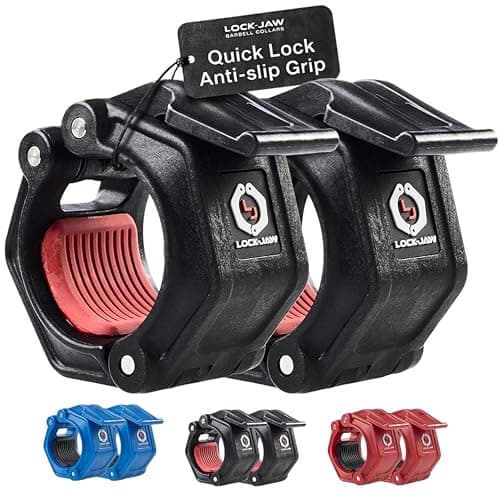
Lever collars
Why it lands: almost everyone runs cheap spring clips for years. A lever collar clamps in a second, does not walk down the sleeve, and is the single most-used accessory in the gym. Who it suits: anyone with a 2 inch Olympic bar, which is nearly every home gym. Check first: that their bar is Olympic (2 inch sleeves), not a 1 inch standard bar. Full ranking in our collar roundup.
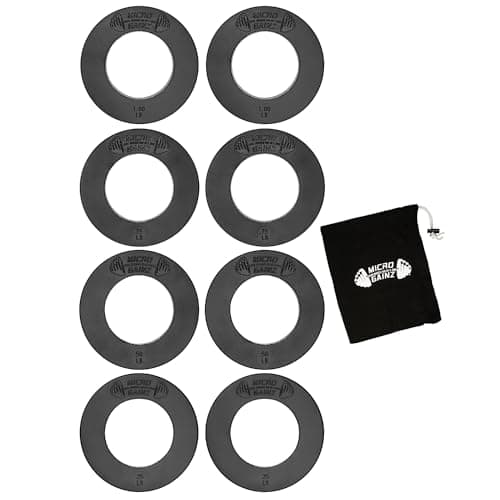
Fractional (change) plates
Why it lands: once the easy gains stop, progress comes in 2.5 lb steps, and most home gyms cannot make them. A fractional set is the least glamorous and most useful thing on this page. Who it suits: anyone who has been lifting more than a year. Check first: Olympic 2 inch center hole. Our fractional plate roundup explains the options.
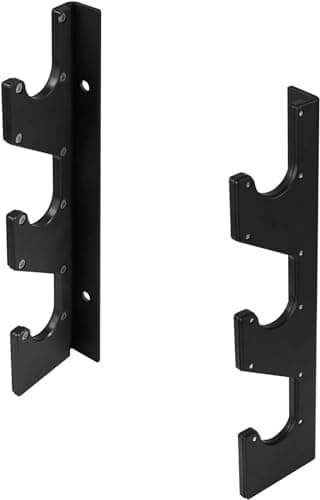
Bar storage
Why it lands: almost every home gym has a bar living on the floor, and floor storage is what rusts sleeves and gets bars kicked. A horizontal wall holder is cheap, universal and the tidying-up purchase people postpone forever. Who it suits: anyone with a wall to screw into. Check first: that they own the wall — renters may prefer a free-standing option from our storage roundup.
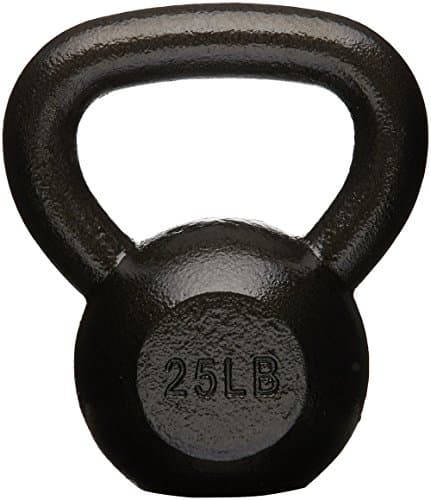
A cast iron kettlebell
Why it lands: a solid bell cannot wear out, and one bell adds swings, carries and goblet squats to a barbell gym. Who it suits: everyone. Check first: weight selection is the only trap. If you have no idea, our starting-weight guide gives the safe middle of the range for most adults.
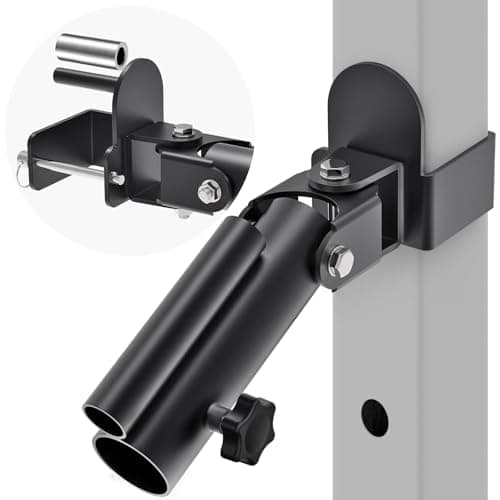
A landmine attachment
Why it lands: it turns the bar they already own into a whole new category of shoulder-friendly presses and rows. Who it suits: a lifter with a rack. Check first: this is the one pick where fit matters most — the version we rank is for 3×3 inch uprights. If their rack is 2×2, buy something free-standing instead. Our attachments roundup covers the fit rules.
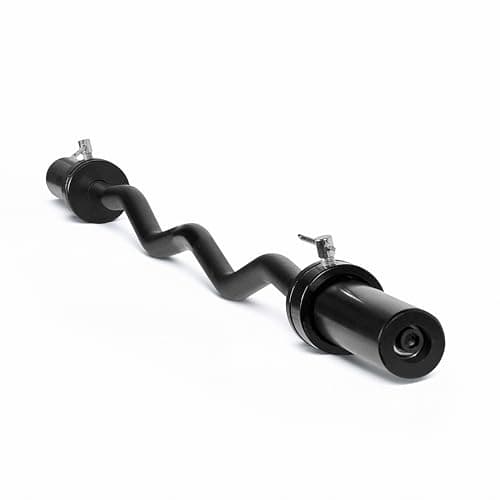
An EZ curl bar
Why it lands: the second bar most lifters eventually want and rarely buy. It fits the plates they already own and takes the wrist strain out of curls and extensions. Who it suits: anyone doing arm work with a straight bar. Check first: Olympic 2 inch plates. Ranked in our curl bar roundup.
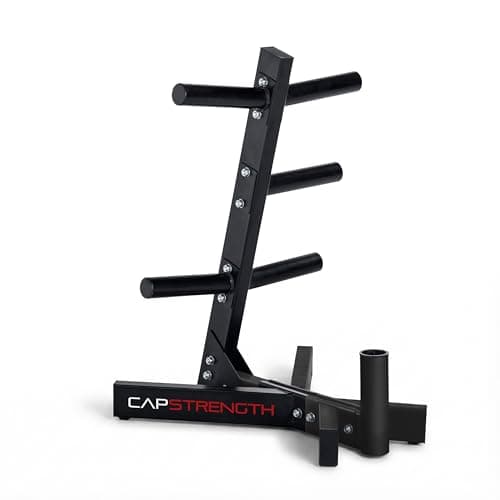
A plate tree
Why it lands: plates stacked on concrete chip, rust and get dropped on feet. A tree costs less than the damage and makes the gym look finished. Who it suits: anyone whose plates are on the floor — which is most people in their first two years. Check first: Olympic plates (2 inch hole). Compare in our plate storage roundup.
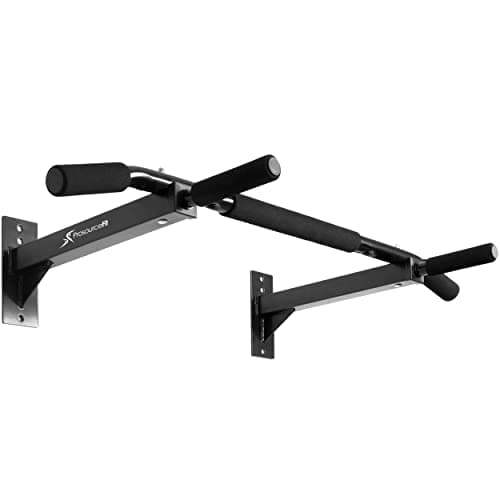
A wall-mounted pull-up bar
Why it lands: for a lifter without a full cage, pull-ups are the lift they skip. A wall-mount bar fixes that permanently for the price of a dinner out. Who it suits: a squat-stand or bench-only gym. Check first: that they have studs or masonry to bolt into, and that they do not already own a rack with a pull-up bar. See our pull-up bar roundup.
The two things to check before ordering
Bar standard. Nearly everything on this page assumes a 2 inch Olympic sleeve. If their bar is a 1 inch standard bar, the collars, the change plates and the curl bar will not fit. The tell: an Olympic bar has fat, rotating ends; a standard bar is the same thin diameter end to end. Olympic vs standard, explained.
Rack profile. Anything that bolts to a rack needs the right upright size. If you cannot check discreetly, buy something that does not mount to anything — collars, a kettlebell, change plates or a curl bar are all safe.
If you want to spend more
The next tier up buys a trap bar, a proper pull-up bar, safety straps or flooring — see our gifts under $150. If the budget is open, the premium gift guide is the list a lifter would write for themselves. And if you are shopping in November, our Black Friday hub explains which of these categories historically discounts and which does not.
What we would not buy
Anything with a battery, a screen or a subscription — it has a shorter life than the steel around it. Clothing in a size you are guessing at. Supplements. And a bench or plates as a surprise: too dependent on their room and their bar. The standard on this page is the standard everywhere on this site — useful the day it arrives, still useful in a decade. That is the same test we apply in our durability guide.