A rack, a barbell, plates and a bench. That is a complete strength training gym, and everything else is an upgrade to something you can already do. The order you buy them in matters, because two of them are useless without the others.
The four essentials
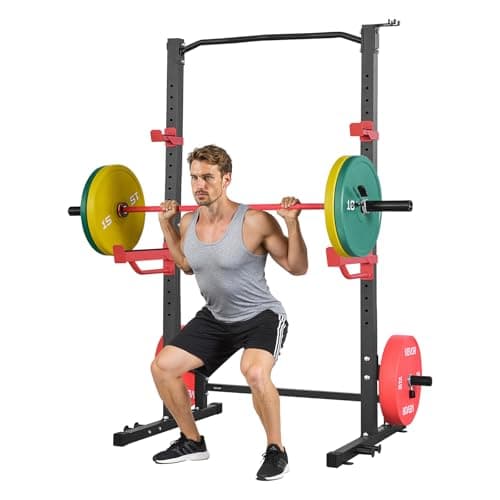
1. A rack with adjustable safeties
First, not last. The rack holds the bar at the height you un-rack it from, and — the part that matters — it catches the bar when a rep fails. Training alone with a barbell and no safeties is the one genuine hazard in home strength training.
A full cage is the safest geometry; a squat stand or half rack with proper spotter arms is the compromise when floor space does not allow a cage. Start at the best power racks, or squat racks if the room is tight.
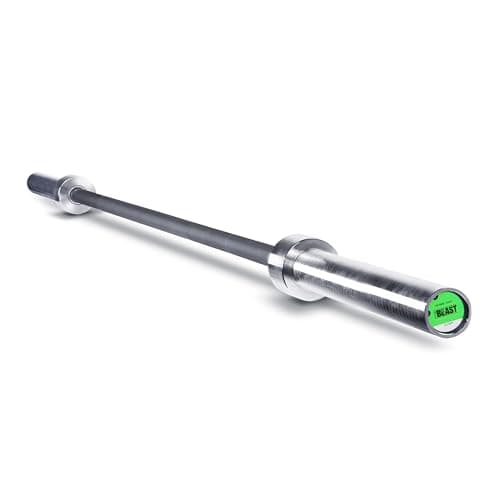
2. An Olympic barbell with a published capacity
A 7 ft, 44 or 45 lb Olympic bar covers squats, presses, bench, rows and deadlifts. Buy one that publishes a capacity rating — it is the simplest way to distinguish a real bar from a decorative one, and it costs nothing extra.
Buy Olympic, not standard. The 2 inch sleeve is the standard every rack attachment, plate tree and collar is built around, and the choice is effectively permanent. The reasoning is in Olympic vs standard plates.
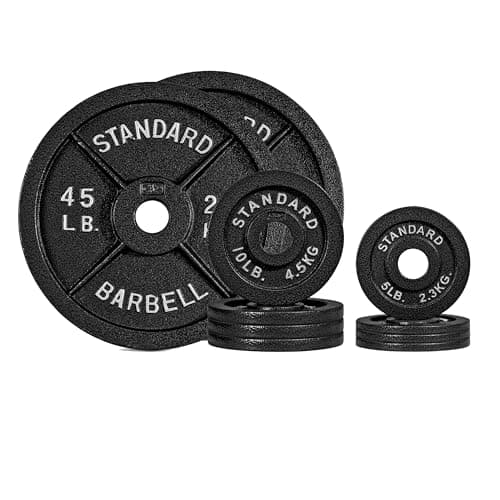
3. Plates, weighted toward the small ones
The single most common mistake is buying 45s first. You need the 2.5, 5 and 10 lb pairs to progress in steps your body can absorb; you need one pair of 45s to get heavy. Buying it in that order keeps you training. Full detail in what weight plates to buy first.
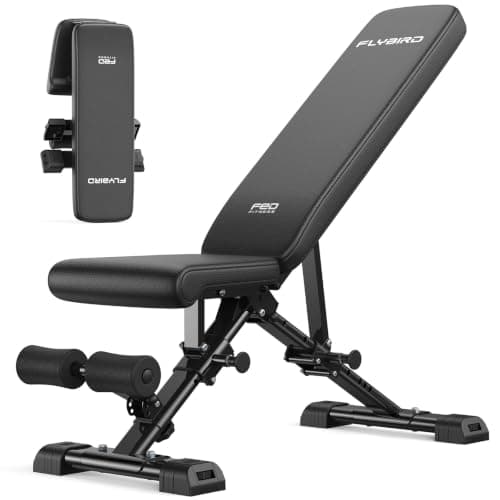
4. A bench with a rating you can verify
The bench unlocks pressing, and it is the only item you lie underneath with a loaded bar. A published — ideally certified — capacity is worth more than a bigger unverified number, as explained in bench capacity explained.
What those four unlock
| You own | You can train |
|---|
| Bar + plates only | Deadlifts, rows, cleans, overhead press from the floor |
| + Rack | Squats, rack pulls, safe pressing, pull-ups |
| + Bench | Bench press, incline work, dumbbell pressing, seated work |
Read that table upward and you can see why the rack comes early. Without it, the squat — the lift most strength programs are built around — is either missing or unsafe.
The useful additions, in priority order
- Collars. Cheap, and they stop plates sliding on an uneven rep. See the collar roundup.
- Flooring. Protects the slab, protects the plates and quietens everything — flooring guide.
- Plate storage. A tree costs about what one 45 lb plate costs and removes the tripping hazards. See plate storage.
- Adjustable dumbbells. The highest-value single addition for accessory work in a small space — the roundup. If the barbell above is not going to happen in your room, they become the main event instead, and we settle that fork in adjustable dumbbells vs a barbell set.
- Fractional plates. When your press stalls, which it will — fractional plates.
- A rack attachment. A lat tower or dip bars, once you know what your training is missing — attachments.
What you can skip
Specialty bars, at first. A trap bar and a curl bar are genuinely useful additions, but they are second and third bars. Buy the straight bar first — see trap bars when you are ready.
Machines. Nothing in a strength program requires one. A rack with an attachment covers the same ground for less money and less floor.
A large plate collection. Buy weight as you need it. Iron sitting unused is money that could have been a better rack.
Gadgets and wearables. Nothing that measures your training is a substitute for equipment that lets you do it.
The minimum honest setup
If the budget only stretches to part of the list, the order above is also the order of importance — with one caveat worth stating plainly. Buying a bar and plates without a rack leaves you able to deadlift and press from the floor safely, which is a real program. Buying a bar and plates and then squatting or benching without safeties, alone, is the one combination to avoid.
Everything on this page is chosen the same way: published, checkable specs and honest cons, per how we choose. If you want the whole thing laid out as a shopping list with picks at each tier, our beginner equipment guide is the next page to read.