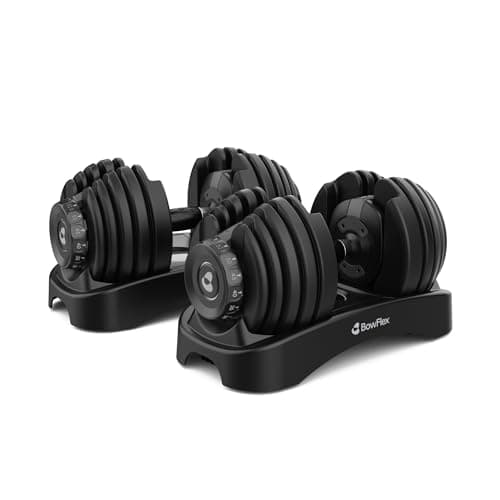
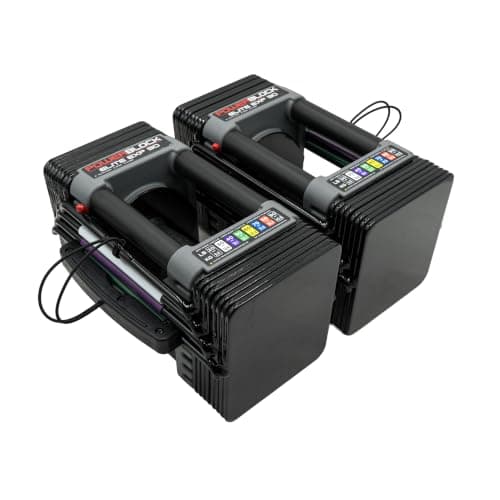
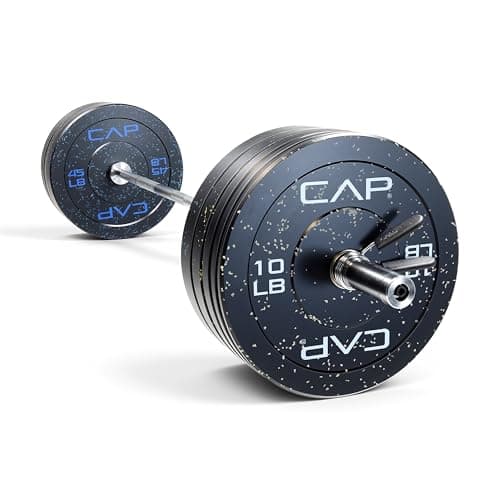
If your goal is getting strong and you have a room that can take it, buy the barbell set — the CAP 260 lb Economy set is the one we would point at, because it is a published 260 lb of bumper plates with a full 7 ft bar, and nothing in it can ever break. If you cannot have a barbell — a small or shared room, a floor you cannot load, a lease, no rack and no plan to buy one — then one pair of adjustable dumbbells is the highest-value purchase in home fitness, and the BowFlex SelectTech 552 or the PowerBlock Elite EXP are the two we would choose between. The barbell is the better training tool. The dumbbells are the better answer to a constrained room.
The honest version of the trade
These are not really competing products. A barbell loads heavy compound lifts — squat, bench, press, deadlift, row — with weight you add indefinitely. Dumbbells load unilateral and accessory work and press through a range a barbell cannot. In a fully equipped gym you own both.
But almost nobody buys both first, and the first purchase is genuinely a fork, because each one drags different requirements behind it:
- A barbell set needs a rack to be any use for squats or bench. A bar and plates on their own gets you deadlifts, rows and floor presses. Everything else requires somewhere to set the bar — which means budgeting for a power rack or a squat rack, and the room to put it in.
- A barbell set needs a floor that can take it. Bumper plates and a slab are fine; iron on tile, or any of it on a suspended floor upstairs, is a problem. See home gym on a second floor and the flooring guide.
- Adjustable dumbbells need neither, and have a mechanism. They fit in a cupboard, work on any floor, and contain the one component on this page that has a service life.
The five, side by side
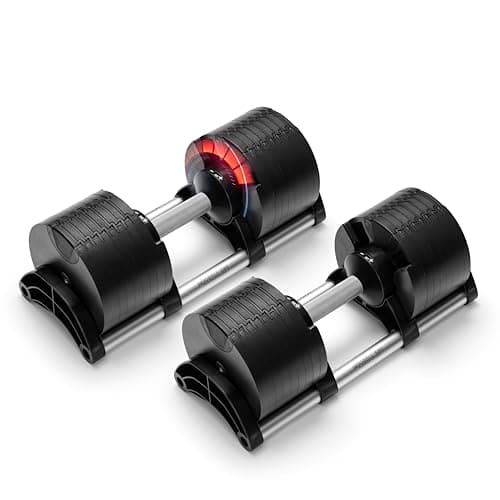
| As published | CAP 260 lb set | BowFlex 552 | PowerBlock Elite EXP | CAP 150 lb iron set | NÜOBELL |
|---|
| What you get | 7 ft bar + 260 lb bumpers | Pair, 5–52.5 lb each | Pair, 5–50 lb each | 150 lb iron plates | Pair, 5–80 lb each |
| Top load per side or hand | Add plates indefinitely | 52.5 lb | 50 lb, 90 with kits | Add plates indefinitely | 80 lb |
| Needs a rack | For squats and bench, yes | No | No | For squats and bench, yes | No |
| Moving parts | None | Dial and tray | Selector pin | None | Twist collar |
| Storage footprint | Bar length plus plate tree | Shoebox | Smallest of the adjustables | Plate tree | Shoebox |
| Droppable | Yes, bumpers | No | Within reason | No, iron | No |
| Bar spec published | Length and finish only | n/a | n/a | n/a | n/a |
Every cell is quoted from the manufacturer listing linked in Sources. The combo sets publish the bar's length and finish and nothing else — no rating, no shaft diameter, no knurl — which is the standard weak point of a bundled set and the reason we treat the bar in one as a starter bar rather than a keeper. The dedicated bars are on the barbells hub.
Why the barbell wins on strength, and on durability
Two reasons, and they are both structural rather than a matter of taste.
The load is unlimited. A barbell takes as much weight as you can put on the sleeves, and plates are the cheapest weight per pound you can buy. An adjustable dumbbell stops at a number the manufacturer chose — 50, 52.5 or 80 lb per hand depending on the set. For pressing that lasts years; for squats, deadlifts and rows a strong lifter runs out, and the only fix is another purchase. That ceiling is the subject of the heaviest adjustable dumbbells.
There is nothing to break. A bar is a steel shaft with rotating sleeves; plates are iron or rubber-encased steel. Across this whole site, the equipment we are most comfortable calling permanent is barbell equipment — see how long barbells last and how long bumper plates last. An adjustable dumbbell contains a selector, and the selector is the part that fails; the detail is on how adjustable dumbbells work.
For a site about equipment that outlives you, that comparison is not close. Where it gets complicated is that the barbell's requirements are the expensive part.
Why the dumbbells win a constrained room
Add up what a barbell set actually costs to be useful: bar, plates, a rack, and flooring under it. Then compare that with one pair of adjustables, which needs nothing else at all and stores in a cupboard. For a spare bedroom, a shared living space, an upstairs flat or a gym you will have to dismantle when you move, the dumbbells are not a compromise — they are the only version of this that happens.
They also cover a meaningful amount of training on their own: pressing in every plane, rows, split squats, single-leg work, carries and all the accessory volume a barbell is clumsy at. It is genuinely enough to get strong on, within the ceiling the set imposes. If the room is the constraint, start with building a home gym in an apartment and home gym on a budget.
Iron or bumpers, if the barbell wins
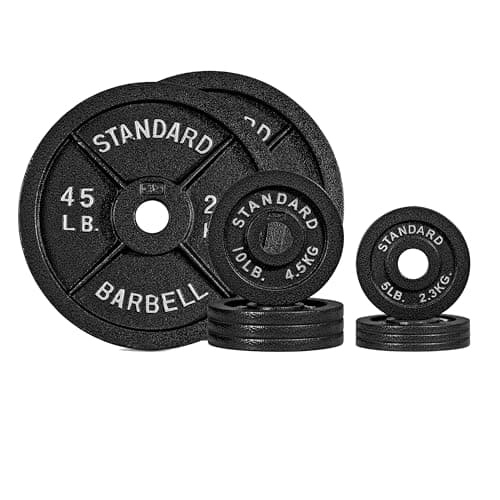
One more decision follows immediately. Bumper plates can be dropped and will not damage a slab; iron is denser, cheaper per pound and must not be dropped. The CAP 260 lb set here bundles bumpers with a bar; the CAP 150 lb Classic iron set is plates only — four 5s, four 10s and the pair of 45s that turns a box of small plates into a loadable squat and deadlift — at the lowest cost per pound on this page.
If you deadlift to failure or do anything you bail from height, buy bumpers. If every lift is controlled and the floor is protected, iron is the better value and effectively permanent. The full argument is on bumper vs iron plates, and the sets themselves on the best Olympic weight sets.
The order most people should actually buy in
- Rack, bar, plates — if the room takes it. This is the core of a strength gym and none of it wears out. The sequence is set out on the home gym equipment guide.
- A bench — roughly doubles what both the bar and any dumbbells can do.
- One pair of adjustables — for the unilateral and accessory work the bar does badly.
And if step one is impossible, invert it: buy the adjustables now, buy a bench next, and keep the barbell on the list for the room you have later. Nothing about that order wastes money, because both halves stay useful once you own both.
How to settle it for your room
Can you fit a rack?
Measure against published rack dimensions, ceiling included. If yes, the barbell set is the better first purchase and you should be comparing racks rather than dumbbells. If no, you have your answer and it is dumbbells.
What is under the floor?
A slab takes anything. A suspended floor over a living space takes much less, and loaded barbell work above someone else's ceiling is a different proposition — covered on home gym on a second floor.
Price the whole setup, not the headline item
Barbell route: bar plus plates plus rack plus flooring. Dumbbell route: one pair. Compare those two totals using the live prices on this page, because the gap is much larger than the gap between a bar and a dumbbell pair.
Be honest about your ceiling
If you already press more than 50 lb per hand, the common adjustable ranges are a near-term constraint rather than a theoretical one. Either buy the 80 lb set, buy the expandable one, or buy the barbell.
Check the bar if you buy a combo set
Bundled sets publish the bar's length and finish and usually nothing else. That is fine for a first bar and it is not a bar you keep forever. When you replace it, start at the barbells hub and read Olympic barbell specs first.