A budget home gym is a rack with safeties, a barbell that will not bend, cast iron bought by the pound, and a flat bench — bought in that order, and nothing else until those four exist. Everything below is the reasoning: which of those four the savings come from, which one they must never come from, and what to do with the money that would otherwise go on a machine.
The rule that makes a cheap gym cheap
On this site the price of a piece of equipment is what it costs divided by how many years it lasts — the arithmetic is in home gym cost per year. Under that rule a budget gym is not the one with the lowest receipt. It is the one whose cheap parts are cheap because they cannot fail, and whose one expensive part is expensive because it is the one that can.
That sorts the whole category into three bins.
Where the savings genuinely are
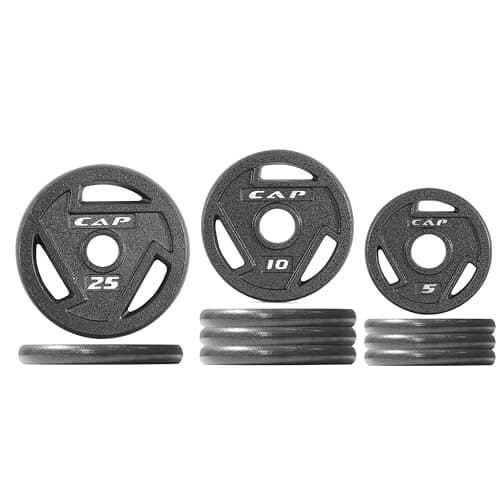
Plates. Cast iron is iron. A 45 lb plate from the cheapest maker weighs the same and lasts as long as one from the most expensive, give or take a few percent of tolerance you will never feel. Buy iron by the pound, buy it used when you can, and never pay for a brand on a plate. The rules for the first set are in what weight plates to buy first; the ranked field is in the best cast iron plates.
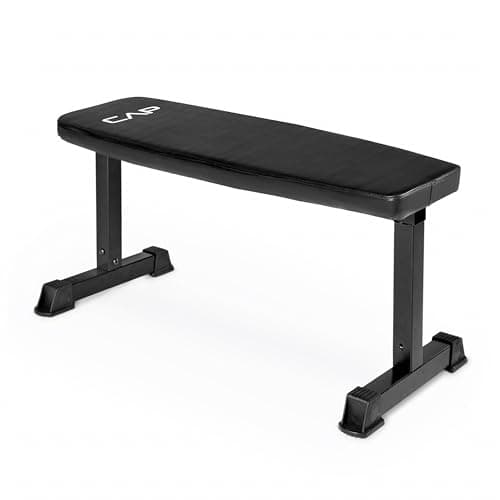
The bench. A flat bench is a steel frame with a pad on it. The CAP flat bench publishes a 500 lb rating and a powder-coated tubular frame, and it will outlast most adjustable benches that cost three times as much, because it has no hinge, no ladder and no gap. Buy adjustable later, if incline work ever becomes the thing you cannot do without — see flat vs adjustable bench.
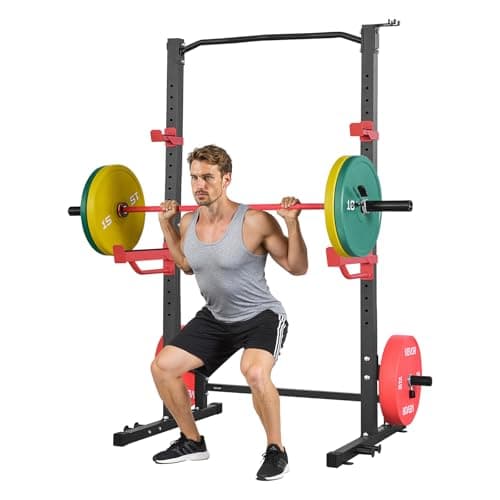
The rack, within limits. A 2x2 inch cage with safety bars in the box is a real rack, and the VEVOR publishes a 1,000 lb rating, 11 J-hook levels and 7 safety-bar levels for what was, at our last price check, the lowest price of any full cage we rank. It gives up mass, hole count and a parts ecosystem to a 3x3 — the trade is spelled out in 2x2 vs 3x3 power racks — but it does not give up the training. What you may not save on is the safeties. A rack without them is not cheaper; it is a different, worse product.
Where the savings must never come from
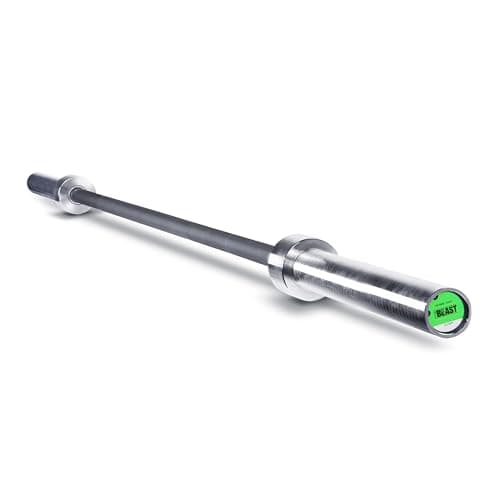
The barbell. This is the one. A bar is the piece that follows you from your first rack to your last, and it is the one piece that fails in a way you cannot repair: it bends, or its sleeves seize, or its coating gives up and it rusts through the knurl. A cheap bar with a low tensile rating is the classic buy-it-twice purchase in this hobby. The CAP Beast publishes 120,000 PSI steel, a 1,200 lb capacity and bronze bushing sleeves, at a price that sits inside a budget build; the case for it over cheaper bars is made in the best budget barbells, and the reasons bars die are in how long do barbells last. Spend here first.
Where the money should not go at all
An all-in-one machine. The cheapest way to spend the most money on a home gym is a multi-station machine with cables, a stack and a leg developer, because every one of those stations is a mechanism with a wear part and a proprietary replacement. We make the argument at length in are all-in-one home gyms worth it; the short version is that a budget buyer is the buyer who can least afford a product that depreciates.
Cheap adjustable dumbbells. The selector is the product and the cheap ones fail at the selector. If dumbbells are essential, a few pairs of hex dumbbells have no mechanism and can be added one pair at a time.
Accessories before the core. Collars, straps, a landmine, a plate tree — all worth having, none worth having before the four items above exist. The order is set out in home gym equipment: what to buy, in what order.
The order of purchase, and why it is staged
- Rack with safeties. Nothing else on the list can be used safely alone without it.
- Barbell. The bar you keep. Buy the good one; it is cheaper than buying it twice.
- A starter set of iron. A 110 lb set covers the first months of every lift. Add pairs as you outgrow it — iron does not have to be bought all at once.
- Flat bench. The cheapest piece on the list and the last of the four, because squats and deadlifts do not need it and the money is better in the bar first.
Staging it this way means a month with only a rack and bar is still a month of squats, and a month with only those and iron is a month of every barbell lift but the bench. Nothing sits in a box waiting for the rest.
The used market, and its two rules
Plates, flat benches and racks are excellent used purchases: iron cannot wear out, a bench is a frame, and a rack is inspected in thirty seconds for bent uprights and stripped holes. Two things are not: a barbell you cannot inspect for a bend and sleeve play, and any adjustable dumbbell whose selector you cannot cycle through every setting before paying. Used iron at a fraction of new is the single biggest saving available to a budget builder, and it is the one most people skip.
What this build costs, and what it costs per year
We do not print a total, because the four prices above are live and a hardcoded sum would be wrong within the week. Add them from the buttons on this page. Then do the second sum: divide by the years each piece will last. The rack and the iron are decade purchases at least; the bar is longer; the bench is the shortest of the four and still years. The result is a gym whose cost per year is a small fraction of a gym membership, which is the comparison worked through in home gym vs gym membership.
If the four together are still out of reach, buy them in order and stop where the money stops. A rack and a bar is a gym. A set of beginner equipment bought piecemeal over a year, each piece chosen so it never needs replacing, ends up cheaper than any package deal that includes a machine.