Rogue's reputation rests on four published, checkable things: 3×3 inch 11-gauge uprights, 5/8 inch grade 5 hardware, laser-cut Westside hole spacing, and a lifetime warranty on the frame. Everything else is finish and brand. Once you know the list, cross-shopping stops being a matter of opinion and becomes a matter of reading spec sheets.
We get asked this constantly — "companies like Rogue", "brands like Rogue" — and the honest answer has two halves. There are brands that build to a comparable specification, and there is the separate question of what you can buy without going direct to a single manufacturer.
What Rogue actually publishes
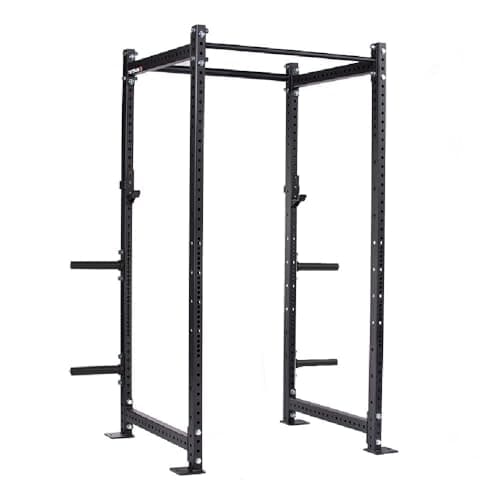
Take the Monster Lite line, which is the tier most home buyers cross-shop. Rogue publishes 3×3 inch 11-gauge steel uprights, 5/8 inch diameter SAE grade 5 bolt hardware, and laser-cut holes on the Westside pattern — 1 inch spacing through the bench and pull zone, 2 inch elsewhere. Uprights are offered at 80 or 90 inches, and the racks are made in the United States. Rogue racks carry Rogue's lifetime warranty.
Read that list again and notice what it is: five specifications and a warranty, all of them stated publicly and all of them verifiable. That is the actual product. It is not a secret alloy or a proprietary process — it is heavier steel than the marketplace norm, better hardware, a more useful hole pattern, domestic manufacture and a promise in writing.
Which means the sensible way to shop for an alternative is to work down that list and see how much of it you can match, and to be honest with yourself about which items you actually need.
The four specs to match, in order of how much they matter
1. Upright size, then gauge
3×3 inch tubing resists bending far better than 2×2, and it matters more than the gauge number does — the section geometry does more work than the wall thickness. 11-gauge (roughly 3 mm wall) is the durability benchmark; 12- and 14-gauge are lighter and flex more. The full explanation, including why the two specs interact, is in our steel gauge guide.
This is the spec most readily matched. Several marketplace brands now build 3×3 racks, and where they publish the gauge you can compare directly. Where they do not publish it — which is common — we say so rather than assume.
2. Hole pattern and hardware size
5/8 inch holes on 3×3 uprights is close to a de facto standard at the enthusiast tier, and matching it is worth more than most buyers realize: it means aftermarket J-cups, safeties and attachments made for that format will fit your rack, from any supplier, for as long as the format exists. That is a repairability feature, and it is exactly the argument we make in home gym replacement parts.
Westside spacing — tighter holes through the bench and pull range — is the other half. It is a genuine usability feature rather than a marketing one, because it is what lets you set safeties to the inch exactly where a failed bench press needs them.
3. The warranty, read properly
A lifetime frame warranty is a real signal, and it is not unique to Rogue. Body-Solid publishes a lifetime warranty covering frame and welds for in-home use, and REP Fitness publishes lifetime cover on rack frames and structural welds. Titan, by contrast, publishes a one-year warranty across its products. None of those is dishonest — they are different promises at different prices, and we work through how to read them in lifetime warranty home gym equipment.
4. Country of manufacture
Rogue manufactures in the United States and says so. That is worth what it is worth to you — our made in USA guide works through what the claim legally means and whether origin actually predicts lifespan. What it does reliably buy is a shorter parts supply chain, which is a durability argument rather than a patriotic one.
Why Rogue is not on the marketplace, and what that means
Rogue sells direct. You will not find its racks on Amazon, and that is a deliberate distribution choice rather than an availability problem. Practically, it means cross-shopping Rogue against the picks on this site is comparing two different buying experiences: one from a single manufacturer with its own warranty and freight, one from a marketplace with fast shipping and easy returns.
We are an Amazon-funded site and we say so on every page. So read this page as what it is: an honest account of what the reference brand specifies, and what you can get closest to it with the merchant we can actually link to. Where we cannot match a Rogue spec, we say that too.
The brands people mean when they say "like Rogue"
Titan Fitness is the closest widely available analog at the rack level. Its T-3 and X-3 lines use Westside hole spacing, publish real capacity numbers, and run a documented replacement parts process. The warranty is one year rather than lifetime, which is the main gap. Our Titan T-3 review goes through one model in detail.
REP Fitness builds to a comparable specification and publishes an unusually detailed warranty — lifetime on rack frames and structural welds, ten years on bench frames, one year on pop-pins, pulleys, bearings and cables, and thirty days on upholstery. That granularity is itself a good sign: a brand that has thought about which parts wear is a brand that expects to supply them. REP sells direct rather than through the marketplace.
Body-Solid comes at it from a different direction — long-established, widely distributed, and with a lifetime in-home warranty covering frame, welds, pulleys, bushings, bearings, hardware, cables and even upholstery under normal wear. It is not chasing the same aesthetic, but on the warranty measure it is the strongest of the lot for home use, and its bars are on the marketplace.
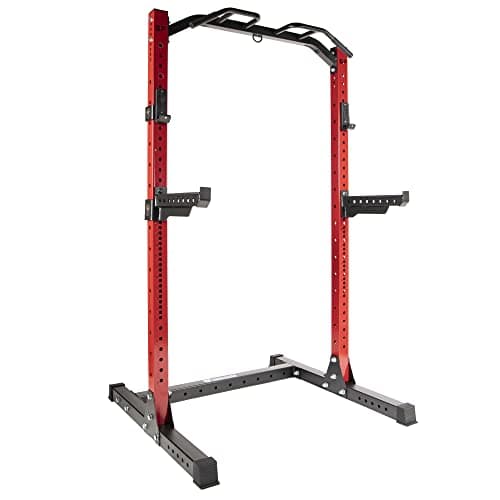
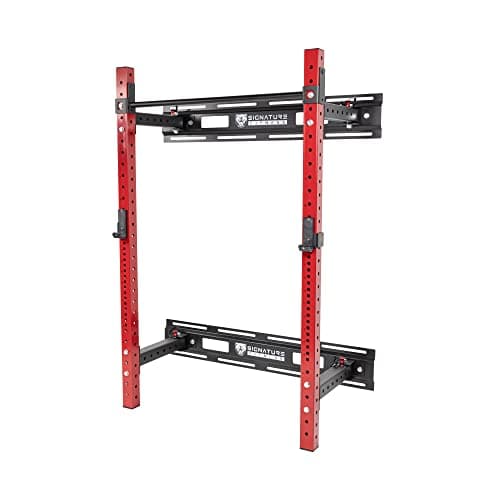
The 3×3 marketplace brands — Signature Fitness among them — build racks with the right upright geometry at a much lower price, generally without publishing a gauge and without a lifetime warranty. For a home lifter that is often the right trade, and it is why they appear in our main rack ranking.
Where the alternatives genuinely fall short
Being useful means saying this plainly. Against Rogue's published spec, the marketplace alternatives typically give up: a stated steel gauge (often simply not published), a lifetime frame warranty, domestic manufacture, and the depth of first-party attachment ecosystem. Titan closes most of the gap on ecosystem and hole pattern; almost nothing on the marketplace closes the warranty gap.
What you gain is price, and it is not a small gain. Whether that trade works is a cost-per-year question rather than a taste question, and you can run it yourself with the method in home gym cost per year. A rack at a third of the price that lasts twenty years wins that arithmetic comfortably.
The bar is an easier problem than the rack
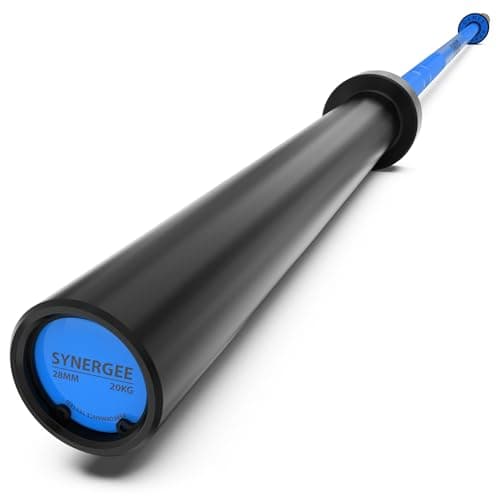
Barbells are where the gap narrows most, because the specs that matter — tensile strength, coating, sleeve construction — are widely published by marketplace brands and easy to compare. A bar quoting a high tensile rating and a ceramic or chrome finish is doing the same job as a premium bar for a fraction of the money, and the differences show up in knurl feel rather than lifespan.
Start with Olympic barbell specs for what to compare, then bushing vs bearing for the sleeve, then the main barbell ranking.