Skip to content
Plate&Rack

The load · Weight Plates

How Long Do Bumper Plates Last?

Longer than most owners expect, but not forever, and not for the reason people assume. The rubber is rarely what gives up — the joint between the rubber and the steel hub is.

By Stephen V.Updated How we choose
#ad

We earn a commission when you buy through our Amazon links, at no extra cost to you. It never affects our rankings, and we say so when the cheaper product is the better buy. How this works.

A good bumper plate, dropped from a normal height onto a proper floor, lasts many years and plausibly decades. A cheap one dropped onto concrete from overhead can fail in months. The variable is not really the plate — it is the hub bond, the drop height and what is underneath.

We reach that conclusion the way we reach every conclusion here: from how the object is built and how it is loaded, not from a test we ran. We do not run a lab, and the method is on how we choose.

What a bumper plate actually is

A bumper plate is a steel insert — the hub — surrounded by molded rubber. The hub takes the bar and transmits the load; the rubber absorbs the drop and protects the floor. Two different materials doing two different jobs, joined at one interface.

That interface is the whole story. Rubber is extraordinarily durable in compression and steel is effectively permanent. The place where they meet is where energy concentrates every time the plate hits the ground, and it is where bumper plates fail.

The failure points, in the order they happen

Failure pointWhat causes itHow to slow or prevent it
Hub separation — rubber pulling away from the steel insertRepeated drop shock at the bond line, worst on thin plates and high dropsDrop onto rubber flooring, not concrete; avoid dropping light plates alone
Cracking or splitting at the edgeDropping onto an edge, a plate corner or an uneven surfaceDrop flat, on a flat surface; never drop onto a plate tree or another plate
Hub deformation — the insert going out of roundLoading and dropping with too much bar overhang, or a bent barLoad close to the collar; keep the bar straight
Rubber hardening and surface crazingUltraviolet light and ozone over long periods, plus temperature cyclingStore out of direct sun; a garage window is the enemy here
Bounce increasing over timeNot damage — cheaper rubber compounds are simply livelier from newBuy for durometer if it is published; store flat so plates stay flat

The row that is not on that list is the one people expect: the rubber wearing out from being loaded onto a bar. That is not a thing. Under home use, the rubber is not the consumable — the bond is.

Thin plates fail first, and that surprises people

A 10 lb bumper is the most fragile plate you can own, and a 45 lb bumper is close to indestructible. The reason is geometry: the same drop energy has to be absorbed by a fraction of the rubber, and the bond line has far less area to carry it.

This produces one practical rule that will do more for a set's lifespan than anything else you can buy: do not drop a bar loaded only with light bumpers. If you are working at 65 lb total, either lower it under control or load a pair of 45s and use smaller increments elsewhere. Almost every broken-bumper story starts with a bar carrying nothing but 10s.

What is underneath matters more than the plate

A bumper plate is designed to be dropped onto a surface that gives a little. Dropped onto bare concrete, the plate has to absorb all of the energy itself, and the bond line takes it.

Rubber flooring under the drop zone is the single highest-value purchase for plate longevity, and it protects the floor, the bar and the building at the same time. Our flooring guide covers thickness and the horse stall mat question in detail. Three-quarter-inch rubber under a lifting platform is the common answer; foam tiles are not a substitute, because they compress fully and then the concrete is back.

How bumpers compare with cast iron on lifespan

Honestly? Cast iron wins, and it is not close.

A cast iron plate has no bond line, no polymer and no consumable. Left dry it is close to permanent, and the only thing that happens to it is surface rust — which is cosmetic and reversible, as we cover in how to clean rusty weight plates. Iron plates from the 1970s are still in daily use in commercial gyms.

Bumpers buy you something iron cannot: the ability to drop the bar. If you deadlift heavy alone, do Olympic lifts, or train in a room where a dropped iron plate would break the floor, that capability is worth the shorter theoretical lifespan. If you never drop the bar, iron is the more buy-it-for-life purchase and it costs less per pound. The full comparison is in bumper vs iron plates.

The habits that turn years into decades

  1. Store them vertically, on a tree or a rack. Stacked flat, the bottom plates carry the pile indefinitely, and plates stored leaning against a wall take a permanent bow. A plate tree is a durability purchase.
  2. Keep them out of direct sunlight. Ultraviolet light and ozone are what harden rubber over long periods. A plate tree in front of a sunny garage window is the worst place in the house for it.
  3. Lower rather than drop when you can. Not because a bumper cannot take it, but because every drop is one more cycle at the bond line, and the number of cycles is the budget.
  4. Never drop onto another plate or a tree. Point loading a rubber plate on a steel edge is how edges split.
  5. Check the hub occasionally. Look for a hairline gap opening between the steel insert and the rubber. Caught early it is a plate to retire from dropping duty rather than a hazard.

When a bumper plate is actually finished

Retire it from dropping when the rubber has separated from the hub anywhere, when a crack runs through more than the surface layer, or when the insert has gone visibly out of round. A separated plate can still be used for static loaded work — it is not dangerous sitting on a bar — but it should not be dropped again, because the next impact takes the failure further.

Cosmetic damage is not failure. Scuffs, small surface tears from a rack edge, and dulled paint are all normal on a working plate and change nothing about how it behaves.

What to buy if lifespan is the priority

Buy the thickest plates you can for the weight — meaning prefer a pair of 45s over four 25s where the loading allows. Buy a set with a steel insert rather than a molded plastic hub; that is the specification we rank on across the bumper plate roundup. And spend the difference you were going to put into a premium plate set on flooring instead, because the floor extends the life of every plate you will ever own rather than just this set.
The short answer

Quick picks

#ProductBest forScorePrice
01
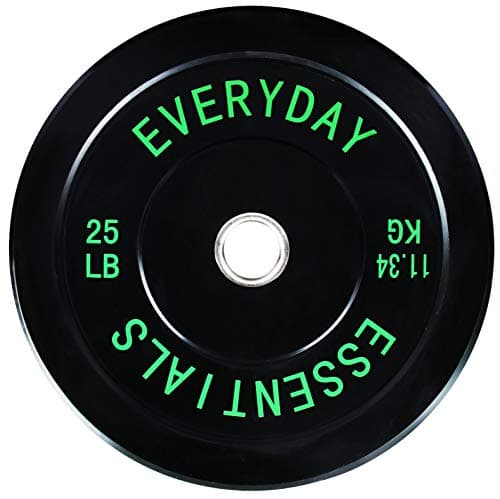
Signature Fitness Signature Fitness Olympic Bumper Plates (Steel Hub)
Signature Fitness Olympic Bumper Plates (Steel Hub)

Steel-hub bumpers sold one plate at a time — the cheapest honest way into bumpers without buying a whole set.

Best value bumper plates
8.2
$49.99Amazon
02
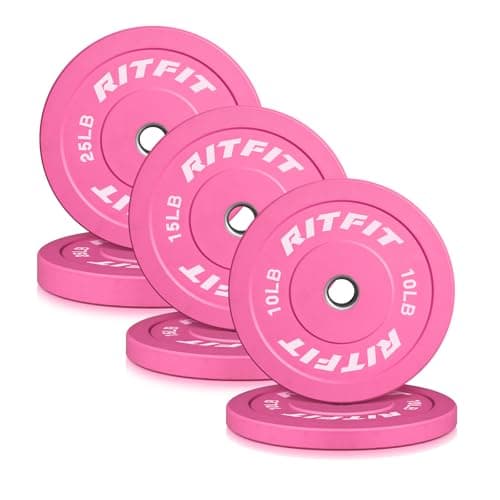
RitFit RitFit Olympic Bumper Plates (Steel Insert)
RitFit Olympic Bumper Plates (Steel Insert)

Steel-insert bumpers with a colored option — a sound drop-safe plate that looks the part.

Best-looking bumper set
7.8
$379.99Amazon
03
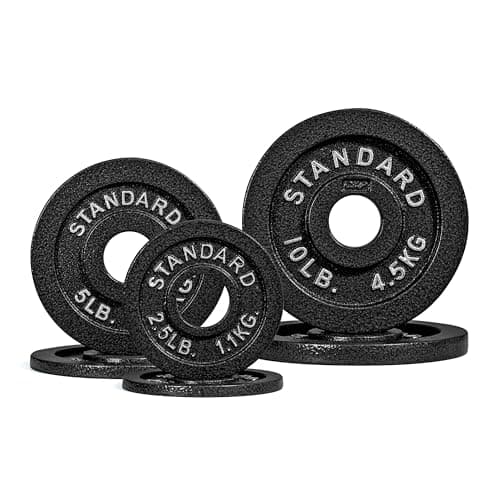
CAP Barbell CAP Barbell Olympic Cast Iron Plates
CAP Barbell Olympic Cast Iron Plates

Old-fashioned cast iron — close to indestructible, and the cheapest weight per pound if you don't drop it.

Best cast iron plates
7.6
$49.99Amazon

#ad · Live prices from the Amazon Product API, as of Sep 8, 2026. Where we have no verified live price, we show none — we would rather leave a gap than print a number that has rotted.

In detail

The picks, in full

01
Signature Fitness Signature Fitness Olympic Bumper Plates (Steel Hub)

Best value bumper plates

Signature Fitness Olympic Bumper Plates (Steel Hub)

Steel hub insert2 in OlympicRubber bumperSold by weight
8.2/10

Steel-hub bumpers sold one plate at a time — the cheapest honest way into bumpers without buying a whole set.

Durability
9
Accuracy
7
Floor-friendly
10
Density
6
Value
9

Pros

  • A stainless steel hub is the durability upgrade that matters — it stops the center from deforming and pulling out, the classic cheap-bumper failure
  • High-density rubber with minimal bounce means you can drop them and protect your floor and bar
  • Sold as singles, so you buy exactly the weights you are missing instead of a set full of plates you already own

Cons

  • Wider than cast iron for the same weight, so a loaded bar runs out of sleeve sooner
  • Bumper rubber can have a mild smell when new, which airs out

Don't buy this if…

you never drop the bar and want maximum weight on a short sleeve. Cast iron packs more load into less space for slow lifts — bumpers earn their bulk only if you're dropping them.

$49.99View on Amazon

Price as of Sep 8, 2026. Prices change — Amazon's is the one that counts.

#ad · we may earn a commission from this link to Signature Fitness Olympic Bumper Plates (Steel Hub)

02
RitFit RitFit Olympic Bumper Plates (Steel Insert)

Best-looking bumper set

RitFit Olympic Bumper Plates (Steel Insert)

Steel insert hub2 in OlympicRubber bumperColor options
7.8/10

Steel-insert bumpers with a colored option — a sound drop-safe plate that looks the part.

Durability
8
Accuracy
7
Floor-friendly
10
Density
6
Value
8

Pros

  • Steel insert for hub durability, the spec that separates a keeper bumper from a throwaway one
  • Drop-safe rubber that protects the floor and bar
  • Color-coded options make weights readable at a glance

Cons

  • Colored bumpers usually cost a little more than plain black for the same weight
  • Standard bumper bulk on the sleeve

Don't buy this if…

you want the lowest price per pound and don't care about color. Plain black steel-hub bumpers cost less and last the same.

$379.99View on Amazon

Price as of Sep 8, 2026. Prices change — Amazon's is the one that counts.

#ad · we may earn a commission from this link to RitFit Olympic Bumper Plates (Steel Insert)

03
CAP Barbell CAP Barbell Olympic Cast Iron Plates

Best cast iron plates

CAP Barbell Olympic Cast Iron Plates

Cast ironBaked enamel2 in OlympicSold as sets/pairs
7.6/10

Old-fashioned cast iron — close to indestructible, and the cheapest weight per pound if you don't drop it.

Durability
8
Accuracy
7
Floor-friendly
4
Density
10
Value
9

Pros

  • Cast iron is about as durable as home-gym gear gets — no rubber to perish, no hub to fail
  • Denser than bumpers, so more weight fits on the sleeve for heavy slow lifts
  • Typically the lowest cost per pound of any plate type

Cons

  • Will chip a tile, crack concrete, or dent a bar if dropped — these are for controlled lifting, not Olympic drops
  • Bare iron can surface-rust in a damp garage if the enamel chips; a wipe of oil fixes it

Don't buy this if…

you do cleans, snatches or anything you bail from height. Dropping cast iron damages the plate, the bar and the floor — that job needs bumpers.

$49.99View on Amazon

Price as of Sep 8, 2026. Prices change — Amazon's is the one that counts.

#ad · we may earn a commission from this link to CAP Barbell Olympic Cast Iron Plates

How we picked

We do not run a testing lab

We compiled manufacturer specifications, read the published warranties, checked the relevant standards and aggregated owner reviews, then scored each product against a published rubric. The scores are judgments from documented research — they are not measurements we took, because we do not run a lab and we are not going to pretend we do. Where a number came from a manufacturer or a standard, we name it and link it in Sources.

Questions

Frequently asked

How long do bumper plates last?

Many years, and plausibly decades for thick plates dropped onto rubber flooring. Lifespan is governed by drop cycles at the rubber-to-hub bond rather than by the rubber wearing out, so drop height, plate thickness and what is underneath matter far more than brand.

What makes a bumper plate fail?

The bond between the rubber and the steel hub separating, almost always. After that, edge cracks from dropping onto an edge or another plate, and hub deformation. The rubber itself does not wear out under home use.

Why do 10 lb bumper plates break so easily?

Geometry. A thin plate has to absorb the same drop energy through a fraction of the rubber and a much smaller bond area. The practical rule is not to drop a bar loaded with light bumpers alone — load a pair of 45s and add small increments elsewhere.

Do bumper plates last longer than cast iron?

No. Cast iron has no bond line and no polymer, so it is effectively permanent and only ever develops surface rust. Bumpers buy you the ability to drop the bar, which iron cannot offer at any price — that capability is what you are paying for, not longevity.

Can you still use a bumper plate that has started separating from the hub?

For static loaded work, yes — it is not dangerous sitting on a bar. Retire it from dropping, though, because each further impact drives the separation on. Check for a hairline gap between the steel insert and the rubber occasionally.

Keep reading

Receipts

Sources

We do not run a testing lab, and we do not pretend to. Every spec, warranty term and standard above is the manufacturer's or a published source, cited and linked. Where we could not verify something, we say so on the page rather than quietly leaving it out. Read our full method.