Skip to content
Plate&Rack

The load · Weight Plates

Bumper Plates vs Iron Plates: Which Lasts Longer?

As a raw material, cast iron lasts longest — there is no rubber to perish and no hub to fail. But whether it is the right plate for you comes down to one thing: do you drop the bar?

By Stephen V.Updated How we choose
#ad

We earn a commission when you buy through our Amazon links, at no extra cost to you. It never affects our rankings, and we say so when the cheaper product is the better buy. How this works.

For pure longevity, cast iron wins — it has no rubber to harden and no hub to pull out, so the CAP cast iron plates are the pick if you lift under control and never drop the bar. Buy the Signature Fitness steel-hub bumpers instead the moment you do any lift you might drop. The "which lasts longer" answer and the "which should I buy" answer are not the same question, so we settle both.

The two questions, settled

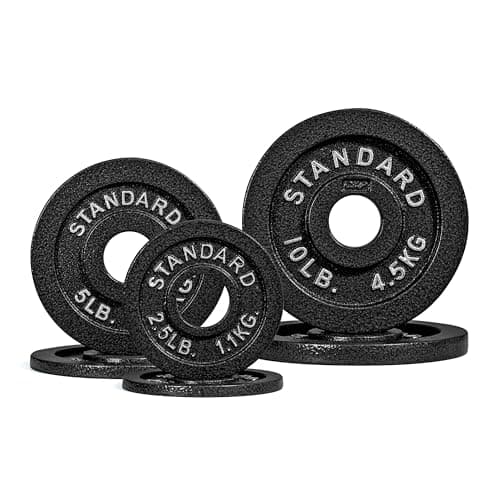
Cast iron is the more durable material, plainly. It is a solid casting with nothing to age — the enamel can chip and bare spots can surface-rust in a damp garage, but a wipe of oil fixes that and the iron underneath is essentially permanent. A steel-hub bumper is also a lifetime plate in normal use, but it has two parts that can age where iron has none. So if the only question were shelf life, iron takes it.

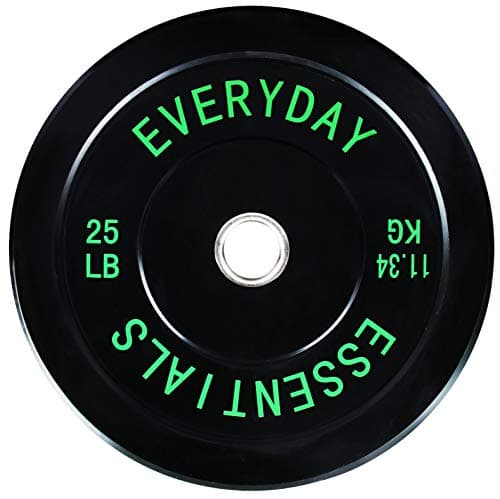
The catch is that a plate's real enemy is not time — it is the floor. Drop cast iron and you damage the plate, the bar and the slab; the plate that "lasts forever" on a shelf can crack the first time it comes down hard on tile. A bumper is built for exactly that moment. So the honest recommendation flips on one behavior: controlled, racked lifting favors iron; anything you drop from height demands bumpers.

Bumper vs cast iron, side by side

FactorCast ironBumper (steel hub)
Material durabilityBest — solid casting, nothing to perish; may surface-rust if enamel chipsExcellent in normal use; rubber and hub can age over many years
Floor-friendlinessPoor — chips tile, cracks concrete, dents bars if droppedExcellent — built to be dropped; protects floor, bar and plate
NoiseLoud — metal-on-metal clank when loading and liftingQuiet — rubber deadens the load and the drop
Density / space on the sleeveDenser — more weight fits in less width for heavy slow liftsWider — the same weight takes more sleeve, so a bar fills up sooner
Cost per poundLowest — typically the cheapest way to buy weightHigher — you pay for the rubber and the hub

Which should you buy?

If you squat, bench, press and pull with controlled reps and rack the bar, cast iron is the smarter money: cheaper per pound, denser on the sleeve, and it will outlive you. Put a mat under the loading area, keep the enamel wiped, and it is close to a one-time purchase. If you clean, snatch, do overhead work, or deadlift heavy enough that you sometimes let the bar go, buy bumpers — the floor and the bar you save pay for the premium quickly, and a steel-hub set lasts nearly as long as iron anyway. Many garages end up with both: bumpers for the working weight, a little iron for the heaviest slow pulls. Whichever way you go, our full picks are in the weight plates roundup, and the drop-safe options are ranked in the best bumper plates. The same buy-it-once logic runs through home gym equipment that lasts.
The short answer

Quick picks

#ProductBest forScorePrice
01
CAP Barbell CAP Barbell Olympic Cast Iron Plates
CAP Barbell Olympic Cast Iron Plates

Old-fashioned cast iron — close to indestructible, and the cheapest weight per pound if you don't drop it.

Best cast iron plates
7.6
$49.99Amazon
02
Signature Fitness Signature Fitness Olympic Bumper Plates (Steel Hub)
Signature Fitness Olympic Bumper Plates (Steel Hub)

Steel-hub bumpers at a genuinely low price — the value bumper most garages land on.

Best value bumper plates
8.2
$79.98Amazon

#ad · Live prices from the Amazon Product API, as of Jul 22, 2026. Where we have no verified live price, we show none — we would rather leave a gap than print a number that has rotted.

In detail

The picks, in full

01
CAP Barbell CAP Barbell Olympic Cast Iron Plates

Best cast iron plates

CAP Barbell Olympic Cast Iron Plates

Cast ironBaked enamel2 in OlympicSold as sets/pairs
7.6/10

Old-fashioned cast iron — close to indestructible, and the cheapest weight per pound if you don't drop it.

Durability
8
Accuracy
7
Floor-friendly
4
Density
10
Value
9

Pros

  • Cast iron is about as durable as home-gym gear gets — no rubber to perish, no hub to fail
  • Denser than bumpers, so more weight fits on the sleeve for heavy slow lifts
  • Typically the lowest cost per pound of any plate type

Cons

  • Will chip a tile, crack concrete, or dent a bar if dropped — these are for controlled lifting, not Olympic drops
  • Bare iron can surface-rust in a damp garage if the enamel chips; a wipe of oil fixes it

Don't buy this if…

you do cleans, snatches or anything you bail from height. Dropping cast iron damages the plate, the bar and the floor — that job needs bumpers.

$49.99View on Amazon

Price as of Jul 22, 2026. Prices change — Amazon's is the one that counts.

#ad · we may earn a commission from this link to CAP Barbell Olympic Cast Iron Plates

02
Signature Fitness Signature Fitness Olympic Bumper Plates (Steel Hub)

Best value bumper plates

Signature Fitness Olympic Bumper Plates (Steel Hub)

Steel hub insert2 in OlympicRubber bumperSold by weight
8.2/10

Steel-hub bumpers at a genuinely low price — the value bumper most garages land on.

Durability
9
Accuracy
7
Floor-friendly
10
Density
6
Value
9

Pros

  • A stainless steel hub is the durability upgrade that matters — it stops the center from deforming and pulling out, the classic cheap-bumper failure
  • Rubber construction means you can drop them and protect your floor and bar
  • One of the lowest costs-per-pound for a hubbed bumper

Cons

  • Wider than cast iron for the same weight, so a loaded bar runs out of sleeve sooner
  • Bumper rubber can have a mild smell when new, which airs out

Don't buy this if…

you never drop the bar and want maximum weight on a short sleeve. Cast iron packs more load into less space for slow lifts — bumpers earn their bulk only if you're dropping them.

$79.98View on Amazon

$109.9927% off

Price as of Jul 22, 2026. Prices change — Amazon's is the one that counts.

#ad · we may earn a commission from this link to Signature Fitness Olympic Bumper Plates (Steel Hub)

How we picked

We do not run a testing lab

We compiled manufacturer specifications, read the published warranties, checked the relevant standards and aggregated owner reviews, then scored each product against a published rubric. The scores are judgments from documented research — they are not measurements we took, because we do not run a lab and we are not going to pretend we do. Where a number came from a manufacturer or a standard, we name it and link it in Sources.

Questions

Frequently asked

Which lasts longer, bumper or iron plates?

As a material, cast iron — it is a solid casting with no rubber to harden and no hub to pull out, so on a shelf it effectively lasts forever. A quality steel-hub bumper is also a lifetime plate in normal use, but it has two parts that can slowly age where iron has none. The important caveat: iron only wins if you never drop it. Dropped on a hard floor, iron chips and cracks while a bumper shrugs it off.

Can I use cast iron plates for deadlifts?

For controlled deadlifts you lower under tension, yes — iron is fine and denser on the bar. The problem is dropping or dumping the bar at the top of a heavy pull: iron on a hard floor damages the plate, the bar and the slab. If you train deadlifts you might drop, use bumpers on a mat, or lower every rep deliberately.

Are bumper plates worth the extra cost?

If you drop the bar, easily — one cracked tile or bent bar costs more than the price gap, and a steel-hub set lasts for years of drops. If you never drop the bar, no: cast iron is cheaper per pound, denser on the sleeve and just as durable in that use. The cost is only "worth it" against a real risk of dropping.

Keep reading

Receipts

Sources

We do not run a testing lab, and we do not pretend to. Every spec, warranty term and standard above is the manufacturer's or a published source, cited and linked. Where we could not verify something, we say so on the page rather than quietly leaving it out. Read our full method.