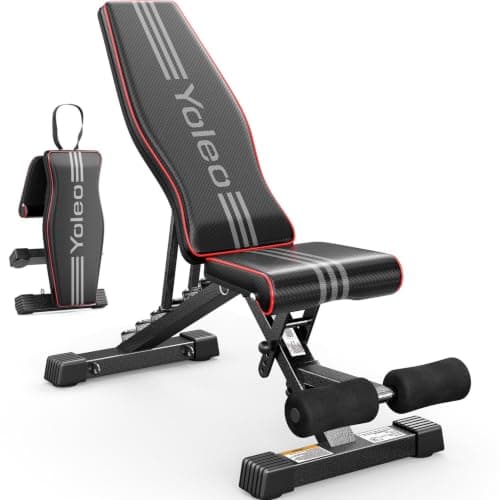
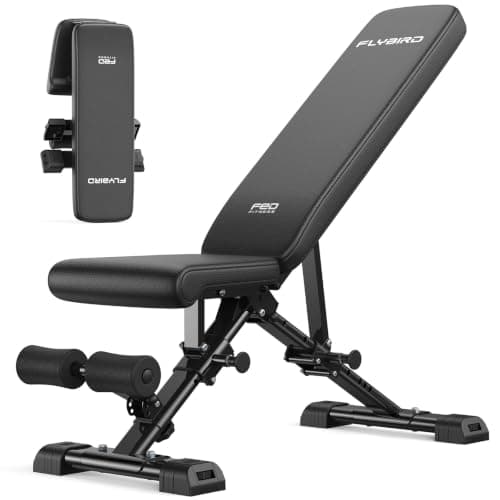
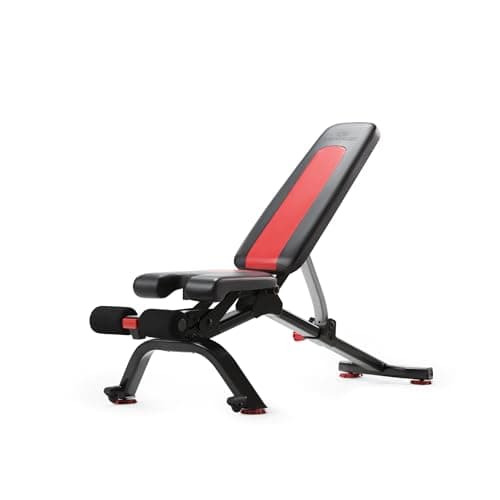
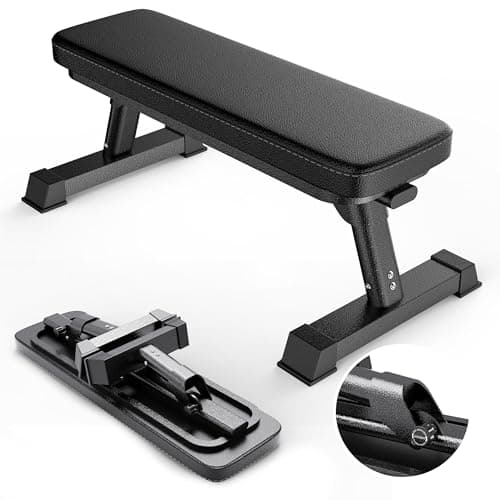
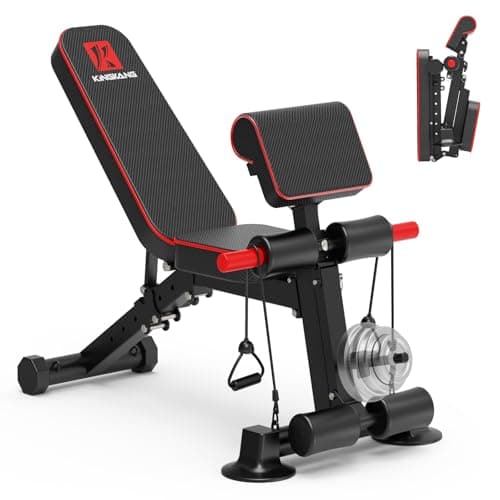
Buy the K KiNGKANG if you want the highest published capacity that still folds, or the YOLEO if you would rather that capacity figure were a tested one — it is ASTM-certified to 827 lb and costs less. A folding bench is the right purchase when the room has another job — and the wrong one when the bench never actually moves.
Who should buy a folding bench
Three situations. You lift in a room that is also a bedroom, an office or a living space. You lift in a garage where the car comes back. Or your bench has to live in a closet because there is no dedicated gym at all. The most common version of all three is a rented apartment, and the whole equipment list for that case is in how to build a home gym in an apartment.
If none of those apply — if the bench sits under the rack permanently — buy a fixed-frame bench instead. You will get more rigidity for the same money, because you are not paying for a hinge, and rigidity is what a bench is for. That is not a criticism of folding benches; it is just what the money buys.
What folding actually costs you
A hinge is a joint under load. On a folding bench, the frame that holds you up is deliberately made to come apart, which means the load path runs through a pivot and a latch. Done well — a positive latch with a bearing surface, not a thin pin — it holds up for years. Done badly, it is the first thing to develop play.
The published capacity figures on this page range from an ASTM-certified 827 lb up to a claimed 1,050 lb. We treat those two categories differently: certification means a standard was tested against, a claim means a number was written. In a category where a hinge carries the load, that distinction matters more than usual.
What we rank on
- Hinge and latch design. The load path through the fold. Positive latches beat friction fits; a bearing surface beats a single pin.
- Certified capacity where available. ASTM certification is the only third-party evidence in this category and we weight it accordingly.
- Folded footprint. The whole point. Depth against a wall, and whether it stands on its own when folded or has to lean.
- Weight. A bench that folds but weighs 70 lb does not actually get moved. Lighter is genuinely better here, right up until it becomes flimsy.
- Positions. Most folding benches are also adjustable, which stacks two mechanisms in one frame. More reason to prefer the ones that publish a tested number.
Stowable vs folding vs just light
"Stowable" usually means the bench stands upright on its end and rolls or leans against a wall — the BowFlex 5.1S works this way, and we go through it in full in the BowFlex 5.1S review. It keeps a rigid frame and solves storage with geometry rather than a hinge, which is arguably the smartest approach in the category.
"Folding" means the frame collapses. Smallest stored size, most mechanism. "Just light" means a normal bench you can pick up and move — a flat bench often weighs little enough that this is the real answer, with no mechanism at all.
Living with one
Fold it the way the manual says, every time — most damage to folding frames comes from forcing a latch that was not fully released. Check the latch and the pivot hardware every few months, the same habit we recommend for a folding rack. And do not store it pad-against-a-sunny-window: UV kills vinyl faster than lifting does.
The hinge that makes these benches fold is also what creates the wedge between the seat and the backrest at steep incline. Whether that matters to you — and which bench designs avoid it — is worked through on the weight bench gap page.
Buying a folding bench
Measure the storage spot, not just the room
The folded dimensions have to fit the actual gap — behind a door, beside a rack, in a closet. Measure that gap first and shop against it, because the difference between fitting and not fitting is usually two inches.
Prefer a certified capacity
With a hinge in the load path, a tested number is worth more than a big one. ASTM certification is available at this price and worth prioritizing.
Consider stowable instead
A rigid bench that stands on end gives you fixed-frame stiffness and solves storage anyway. If your constraint is floor area rather than total volume, this is often the better engineering answer.
Check it fits the rack too
Folding or not, the bench still has to sit between your rack's uprights at the right height. Measure the widest point against your rack's internal width.
Expect the pad to age first
As with every bench, the frame outlasts the pad. Wipe sweat off after sessions and keep it out of direct sun. A folding bench that gets stored properly can genuinely last a decade, which puts its cost per year in single digits.