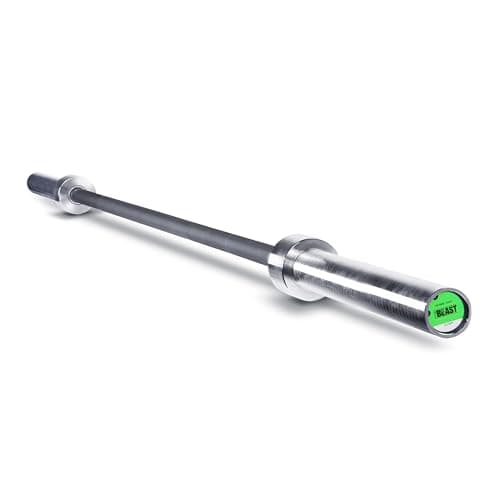
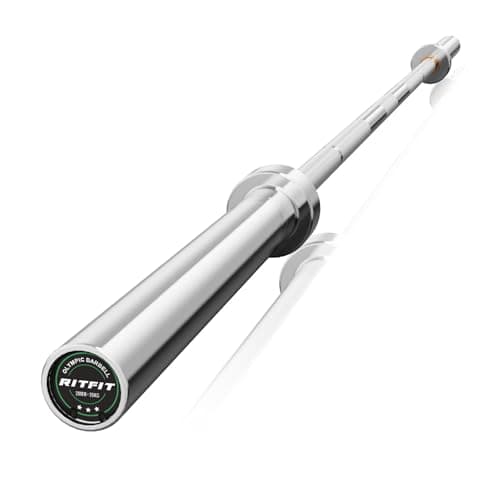
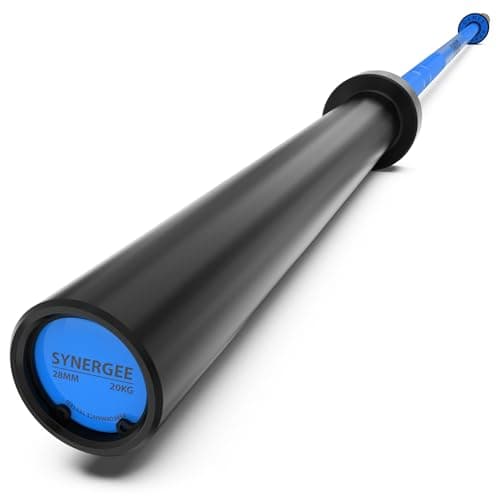
Pick the coating for your room, not for the reviews. In a dry, heated room almost any finish lasts; in a damp or coastal garage the finish is the difference between a bar that looks new in ten years and one that is pitted in two. Everything else about a coating — how the knurl feels, how it looks — is secondary to that.
Our rust guide covers what to do about corrosion once you own the bar. This page is the decision one step earlier: which finish to buy.
What a coating is actually doing
Steel rusts because iron, oxygen and water react. Every barbell finish is an attempt to interrupt that, and there are only two strategies.
Barrier coatings put a layer between the steel and the air — chrome, ceramic and the various paints and polymers. They work perfectly until they are chipped or worn through, and then they concentrate the problem at the breach.
Conversion and sacrificial finishes change the surface chemistry instead. Black oxide converts the top layer of steel into magnetite; zinc plating puts down a metal that corrodes in preference to the steel underneath. Both are thinner than barrier coatings, so they change the knurl feel less — and both are more forgiving of a scratch.
Stainless steel is not a coating at all: it is steel with enough chromium in it to form its own protective oxide layer continuously. That is why it cannot chip, and why it costs what it costs.
The finishes, side by side
| Finish | Corrosion resistance | Knurl feel | Upkeep | Typical cost |
|---|
| Bare / raw steel | None — it will rust | The sharpest and most direct | High: oil it, brush it, keep it dry | Low |
| Black oxide | Low — a conversion layer, not a barrier | Very close to bare | Moderate: still wants oiling | Low |
| Zinc (black or bright) | Moderate — sacrificial protection | Slightly softened | Low: wipe and brush | Low to moderate |
| Hard chrome | Good — a hard barrier | Softened; can feel slick when new | Low | Moderate |
| Ceramic / polymer | Good — a thick, tough barrier | Softened, grippy rather than sharp | Low | Moderate |
| Stainless steel | Best — protection is the material | Sharp, close to bare steel | Lowest | Highest |
The trade-off nobody states plainly
Corrosion resistance and knurl feel pull against each other, and understanding why makes the whole category obvious.
Knurl is a cut pattern of tiny sharp peaks. Anything you put on top of the bar fills the valleys and rounds the peaks. A thick barrier coating protects the steel well and blunts the knurl noticeably; a thin conversion finish leaves the knurl almost untouched and protects less.
Stainless is the exception that proves it: because the protection is in the alloy rather than on top of it, you get bare-steel knurl feel and the best corrosion resistance at once. You pay for that directly. The full explanation of what knurl aggression actually means is in barbell knurling explained.
Match the finish to your room
Heated indoor room, low humidity
Anything works, including bare steel if you like the feel and will maintain it. Buy on knurl and sleeve instead — see bushing vs bearing.
Attached garage, moderate humidity
Zinc, chrome or ceramic. This is where most home gyms are and where these three finishes earn their keep: enough protection to survive seasonal humidity swings without a nightly oiling routine.
Detached garage, unheated basement, or a coastal location
Chrome, ceramic or stainless, and take the upkeep seriously regardless. Salt air is the hardest environment a bar can live in, and a barrier coating with a chip in it will start pitting at the chip. If the budget allows stainless anywhere, it is here.
A room that gets genuinely wet
Fix the room first. A dehumidifier costs less than a good bar and protects everything else in there too — the plates, the rack and the bench included.
Sleeves are often a different finish from the shaft
Worth checking, because it is easy to miss. Plenty of bars pair a coated or bare shaft with bright chrome sleeves, which is a sensible combination: the sleeve takes abrasion from plates going on and off, and chrome handles that better than a soft conversion finish would.
What it means practically is that the maintenance routine differs by end of the bar. The shaft needs the knurl brushed and the finish protected. The sleeves need grit kept out — that grit is what ends up in the bushings, as covered in how long do barbells last.
How coatings actually fail
Barrier coatings fail at a breach. A chip from a dropped plate or a bar landing on steel safeties exposes bare steel at a single point, and corrosion concentrates there. The fix is to stop the bar meeting steel — a strap catch rather than a pin catch helps here, as do lined J-cups.
Conversion finishes fade rather than fail. Black oxide wears off the knurl peaks first, because that is what your hands touch. It looks patchy long before it stops working, and the answer is a light oil rather than alarm.
Everything fails faster in a clogged knurl. Packed chalk and skin hold moisture against the steel. Brushing the knurl is a rust-prevention measure, not housekeeping.
The recommendation
For most home gyms, a zinc, chrome or ceramic bar is the right buy: enough protection to be forgiving, a knurl that still grips, and no premium for a property you cannot use. Choose bare or black oxide only if you want the sharpest possible knurl and will genuinely maintain it. Choose stainless if the room is damp and the budget allows, because it is the only finish that cannot be chipped through.