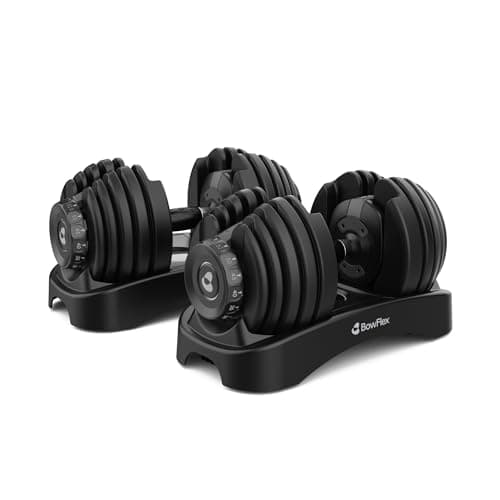
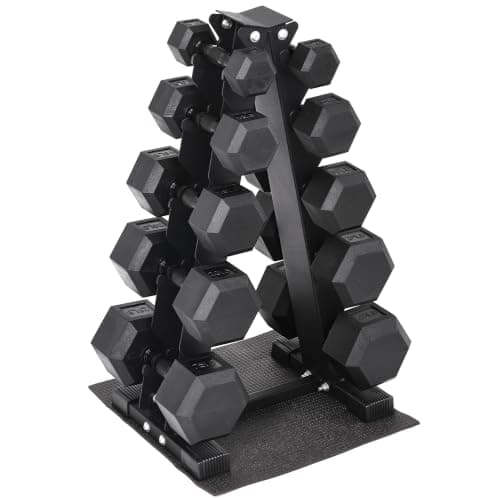
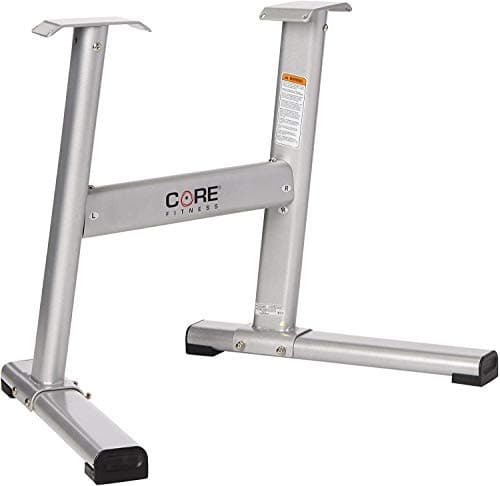
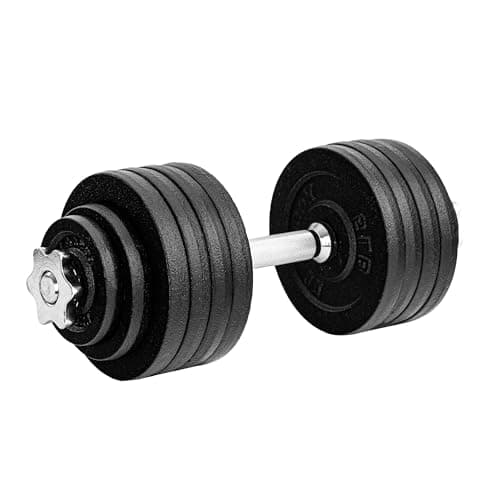
Buy the Yes4All cast iron spinlock dumbbell if you want your first dumbbell to be your last: it is a handle, iron plates and a screw collar, it goes up to 52.5 lb, there is no mechanism in it to fail, and it costs a fraction of a dial set. Buy the BowFlex SelectTech 552 if two-second weight changes matter more to you than having nothing to break — it is the most widely owned adjustable there is, and parts and support are easy to find. Buy the BalanceFrom hex set with its A-frame if you would rather own five pairs of fixed dumbbells and a rack than one adjustable pair. Buy the Core Home Fitness set if you want a dial and a stand in one box. And buy the ATIVAFIT only if you are genuinely starting light and know it — the 5 to 25 lb range is the right range for some people and a purchase you will replace for others.
The beginner mistake is not buying the wrong weight
It is buying for the first three months instead of the first ten years. The dumbbell market is full of light, cheap, mechanism-heavy sets aimed squarely at somebody who has just decided to start training, and a large share of them get outgrown, broken or abandoned inside two years. That is the expensive outcome, even when each individual purchase was cheap.
So we rank beginner dumbbells the way we rank everything else on this site: on what can fail, and on whether the thing you buy today still does the job when you are twice as strong. In this category that produces an answer most beginner guides do not give, which is that the oldest and least impressive-looking design wins.
The five, side by side
| As published | Yes4All spinlock | BowFlex 552 | BalanceFrom hex set | Core Home Fitness | ATIVAFIT |
|---|
| Type | Adjustable, spinlock | Adjustable, dial | Fixed hex, 5 pairs | Adjustable, dial | Adjustable, quick dial |
| Weight range | Up to 52.5 lb | 5–52.5 lb each | 5–25 lb pairs, 150 lb total | 5–50 lb each | 5–25 lb each |
| Sold as | Single | Pair | Set with rack | Set with stand | Single |
| Moving parts under load | None | Dial and tray | None | Dial and tray | Dial with safety lock |
| Storage included | No | No | A-frame rack | Stand | No |
| Material stated | Cast iron plates | Not published | Rubber coated hex | Not published | Not published |
| Speed of change | Slow (screw collars) | Fast | Instant (pick up the pair) | Fast | Fast |
Every cell is quoted from the manufacturer listing linked in Sources, and the material row is the one worth staring at: the cheapest option on the page is the only adjustable that tells you what it is made of.
Why the spinlock wins a durability ranking
An adjustable dumbbell is a handle, some plates and a selector. The plates are iron or steel and are effectively permanent — there is nothing in a lump of cast plate to wear out. The selector is where every failure in this category happens, which we work through in detail on how adjustable dumbbells work.
A spinlock dumbbell has no selector. It has a threaded handle and two collars you screw on. There is no dial to jam, no tray to crack, no plastic carrier holding steel plates together, nothing that cares if you set it down hard. It is the same reasoning that puts cast iron at the top of our cast iron plates roundup: fewer parts, fewer failures, longer life.
What you pay for that is time. Changing weight means unscrewing a collar, swapping plates and screwing it back on — call it thirty seconds against two seconds on a dial. For a beginner following a straightforward programme with a handful of weight changes per session, that is a genuinely small cost. For somebody circuit training with a weight change every ninety seconds, it is not, and the dial sets exist for exactly that reason.
Fixed or adjustable, as a first purchase
Both answers are defensible and the trade is simple. One pair of adjustables replaces roughly fifteen pairs of fixed dumbbells and lives in the space of a shoebox — which is why the dumbbells hub ranks adjustables first for a small gym. Fixed hex dumbbells have no mechanism at all, cost less per pound, and are instant to pick up.
For a beginner specifically, the deciding factor is usually the ceiling. A 150 lb hex set tops out at a pair of 25s, and anybody training consistently will press past that inside a year. An adjustable that reaches 50 or 52.5 lb per hand will not be outgrown nearly as fast. That is why the BalanceFrom set sits third here rather than first, despite having nothing on it that can break — the full comparison is on adjustable vs fixed dumbbells.
What a beginner should not pay for
- Weight you cannot use yet but will not keep. A 5 to 25 lb set is cheap and perfectly real for somebody starting from nothing — and it is also the single most commonly replaced purchase in this category. Buy it only if you have decided deliberately that light is where you train.
- A smart app, a screen or a subscription. None of it makes the dumbbell last longer, and all of it is a thing that stops working before the iron does.
- Chrome, unless it is on the handle. Finish on a dumbbell plate is cosmetic. Rubber coating is not cosmetic — it is what stops a set-down marking the floor — but a shiny plate is not a better plate.
- A fifteen-pair wall. Not yet. Buy the pair you train with and the weight above it. The time to buy a wall of iron is when you already know which weights you live on, which is the argument on what dumbbell weights to buy.
Budget for the floor, not just the dumbbells
Every dumbbell gets put down eventually, and iron on tile is an expensive noise. A rubber mat under the training area costs a fraction of the dumbbells and protects a floor you cannot replace as easily — we cover what to use on the home gym flooring guide. And if the dumbbells end up living on the floor, they will be in the way until you buy a rack, which is why two of the five picks here include their own.
How to buy your first dumbbells
Pick the ceiling first, not the starting weight
Ask what the heaviest weight you will want in two years is, and buy something that reaches it. Starting light is free — you simply load it light. Being capped is not free, because the fix is buying the whole thing again.
Then decide how often you change weight
If you follow a programme with a few working weights per session, a spinlock handle is fine and buys you a dumbbell with nothing to break. If you superset, circuit or train with constant weight changes, pay for a dial — you will use it dozens of times per session, and the mechanism premium is buying something real.
Count what is actually in the box
Two of these listings are singles, not pairs. One is five pairs and a rack. One includes a stand. The price you compare has to be the price of a usable working setup, not the price of one object — this is the most common way a dumbbell purchase comes in over budget.
Treat an unpublished material as a gap
Three of the five listings here do not state what the plates are made of. That is routine in the category and it is still information: the one that publishes cast iron is making a claim it can be held to.
Plan for the mechanism, if you buy a mechanism
A dial set is a machine. Keep it clean, do not drop it, and before you buy check whether the brand sells parts — our replacement parts guide explains how to check, and can adjustable dumbbells be repaired covers what happens when one breaks.