Skip to content
Plate&Rack

The load · Weight Plates

The Best Competition Bumper Plates

A competition plate is a thin, color-coded disc with a steel insert and a published diameter. Only one of those four things changes how your bar loads, and the word competition on a listing guarantees none of them.

By Stephen V.Updated How we choose
#ad

We earn a commission when you buy through our Amazon links, at no extra cost to you. It never affects our rankings, and we say so when the cheaper product is the better buy. How this works.

Top pick · Best competition bumper plates

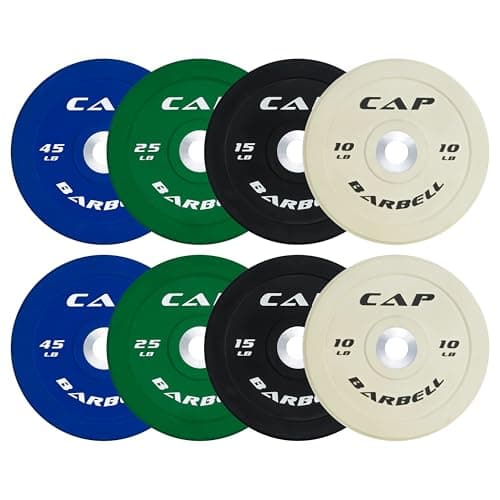
CAP Barbell CAP 160 lb Competition Olympic Bumper Plate Set

CAP 160 lb Competition Olympic Bumper Plate Set

It is the only matched competition-style set in this group bought in a single order, which matters more than it sounds: competition plates are a color code, and a set assembled from separate purchases over a year is a color code with gaps in it. You get the thin-profile shape, the color coding and a steel insert hub for a fraction of what an IWF-certified set costs. It is for the lifter who trains the Olympic lifts at home and wants the bar to look and load like the one at a meet. If you would rather build the set one weight at a time, the 25 lb pair is the same plate sold individually. The budget pick is the Signature steel-hub bumper - not a competition plate, and the honest answer for most home gyms.
160 lb total setCompetition styleColor codedOlympic 2 in bore
Read the full review below ↓
$222.05View on Amazon

$274.9919% off

Price as of November 24, 2026. Prices change — Amazon's is the one that counts.

#ad · we may earn a commission from this link to CAP 160 lb Competition Olympic Bumper Plate Set

The short answer

Five competition-style plate options, compared

PlatesWhat it isHow it is soldPublished tolerancePrice
Competition-style rubber, color coded, steel insert160 lb matched set, one orderNot published

$222.05

Check Price on Amazon
Competition-style rubber, color coded, steel insert25 lb pairNot published

$74.99

Check Price on Amazon
Steel-insert rubber bumper, color optionsSet, by weightNot published

$279.99

Check Price on Amazon
Machined calibrated steel disc, 25 kgOne plate at a timeCalibrated; see SourcesCheck Price on Amazon
Steel-hub rubber bumper, blackOne plate at a time, by weightNot published

$49.99

Check Price on Amazon

#ad · Live prices from the Amazon Product API, as of November 24, 2026. Where we have no verified live price we show none. Constructions are the manufacturer descriptions published on each listing, cited in Sources. Not one rubber plate in this group publishes a weight tolerance, and the page says so rather than inventing one.

The best competition bumper plates for a home gym are CAP's 160 lb competition set, because competition plates are a color code and a matched set bought in one order is the only way to own the whole code. They are for the lifter who trains the Olympic lifts at home and wants the bar to load like the one at a meet. The budget pick is the Signature steel-hub bumper, which is not a competition plate at all and is the right answer for most home gyms. The thing this page exists to say first: "competition" on an Amazon listing is a description of a shape, not a certification, and knowing the difference saves a lot of money.

A genuine IWF-certified competition plate is tested for diameter, thickness, bounce and weight tolerance, and a certified set costs more than most complete home gyms. What the plates on this page share is the look and the useful part of the geometry: a thin profile, a color code by weight and a steel insert rather than a bolted steel hub. That is a real improvement over a standard bumper for two specific reasons and no others, and both are explained below.

What the word competition actually buys

1. A thinner plate, which is the real benefit

A competition-profile plate is noticeably thinner at the same weight than a standard bumper. That matters because a barbell sleeve is a fixed length: the thinner the plates, the more weight fits on the bar before you run out of sleeve, and the closer the load sits to the collar, which is where you want it. If you ever expect to load past about 300 lb on a 7 ft bar with bumpers, the profile stops being cosmetic. Sleeve length is one of the specs on the Olympic barbell specs page.

2. A color code, which is a convenience and a discipline

Red, blue, yellow and green mean fixed weights at a meet, and a color-coded set at home means you load by looking rather than by reading. It is a small thing that becomes a real thing when you are training alone and changing weight between sets. It is also the reason a part-set is unsatisfying: half a color code is just colored plates.

3. A steel insert hub, which is a durability argument

This is the spec that matters most on a buy-it-for-life basis. A bumper fails where the steel meets the rubber: on a cheap plate the hub is a bolted collar that works loose over years of drops; on an insert-hub plate the steel is molded into the rubber as one piece. Every plate on this page publishes a steel insert or hub. What none of them publishes is a durometer or a drop count, and the lifespan picture we can actually defend is on how long bumper plates last.

4. What it does not buy: a tolerance

Not one of the rubber plates in this group publishes a weight tolerance. Competition-certified plates are held to a fraction of a percent; economy competition-style plates are generally within a few percent and nobody prints a figure. For training that is irrelevant - you lift against your own bar every session. For a meet prep where the numbers must match the platform, the honest answer is calibrated steel, which is why one calibrated plate appears on this page at all. The difference is set out in calibrated vs competition plates.

One note on availability, and why it is in the ranking

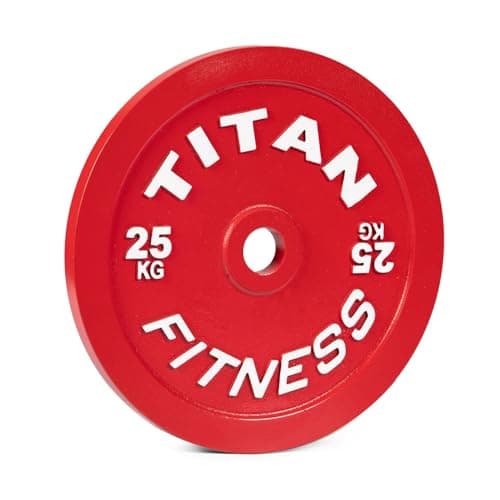
The calibrated steel plate in this group is listed one plate at a time and, at the last price check shown above, had no buyable offer. We have left it in the ranking because it is the only product here that answers the tolerance question honestly, and removing it would make the page look tidier than the market is. It is not the top pick and we would not tell you to wait for it: if the numbers matter that much, a calibrated set is a planned purchase rather than an impulse one.

Do you need competition plates at home? Mostly not

This is a durability site, so here is the unflattering version. If you squat, press, bench and deadlift from a rack, a competition plate buys you nothing a standard steel-hub bumper does not: you are not loading past the sleeve, you are not matching a platform, and the color code is decoration. A black steel-hub bumper at a third of the price is the same rubber doing the same job, which is why it is the budget pick on this page and the top pick on the bumper plate roundup.

Three cases flip that answer. You train the snatch and the clean and jerk, where plate diameter and bounce change the lift. You load heavy enough that plate thickness limits the bar. Or you are preparing for a meet and want the loading to feel identical. Outside those three, the money is better spent on iron for the rack work and two bumpers for the pulls - which is the argument on the weight plates under $100 page and in bumper plates vs iron plates.

Who each pick is for

CAP 160 lb competition set - you want the whole color code in one order and the competition profile on a 7 ft bar. CAP 25 lb competition pair - you want the same plate but intend to build the set a weight at a time, which is the cheapest route into the shape. RitFit steel-insert bumpers - you want insert-hub construction with color options and are less concerned about matching meet colors exactly. Titan calibrated steel plate - the numbers genuinely matter and you are building a calibrated set deliberately, one plate at a time; note the availability caveat above. Signature steel-hub bumper - the budget pick, and the honest recommendation for most home gyms: the same rubber, the same job, a fraction of the money, and sold one plate at a time so you can start today.

Two things protect plates whatever you buy. Collars, because a plate that slides on the sleeve is a plate that lands badly - ranked on the barbell collars page - and a tree or rack, because the floor is where rubber picks up grit and hubs pick up dents. Those are on the plate storage page. If you drop from overhead on a slab, flooring matters more than either: the home gym flooring page ranks the mats.
The short answer

Quick picks

#ProductBest forScorePrice
01
CAP Barbell CAP 160 lb Competition Olympic Bumper Plate Set
CAP 160 lb Competition Olympic Bumper Plate Set

A matched competition-style set in one purchase — the cheaper route to color-coded plates than buying pairs.

Best competition bumper set
7.8
$222.05Amazon
02
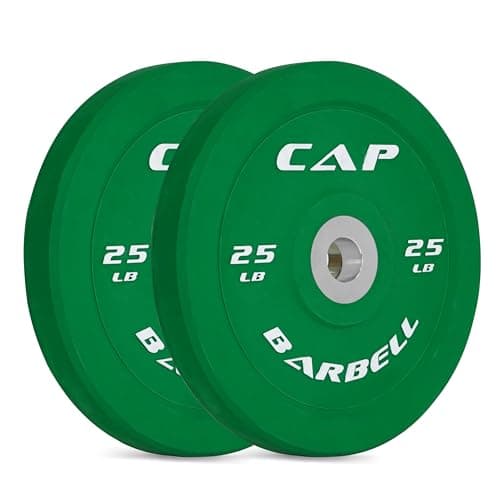
CAP Barbell CAP 25 lb Competition Olympic Bumper Plate (pair)
CAP 25 lb Competition Olympic Bumper Plate (pair)

Competition-style color-coded bumpers by the pair, so you can build the set one weight at a time.

Best competition bumper pair
7.6
$74.99Amazon
03
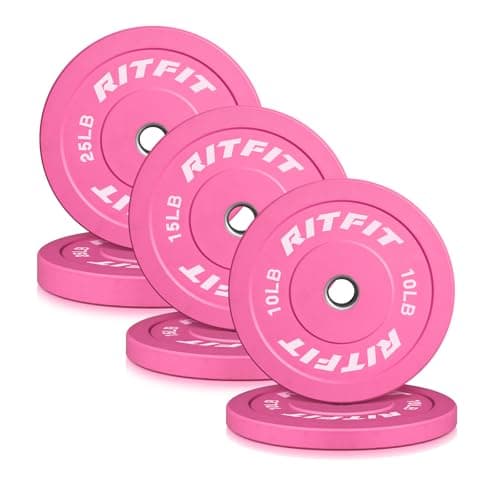
RitFit RitFit Olympic Bumper Plates (Steel Insert)
RitFit Olympic Bumper Plates (Steel Insert)

Steel-insert bumpers with a colored option — a sound drop-safe plate that looks the part.

Best-looking bumper set
7.8
$279.99Amazon
04
Titan Fitness Titan Fitness 25 kg Calibrated Steel Powerlifting Plate
Titan Fitness 25 kg Calibrated Steel Powerlifting Plate

Machined steel discs sold one at a time — the closest thing to a permanent plate, and priced accordingly.

Best calibrated plate
7.4
Check price →
05
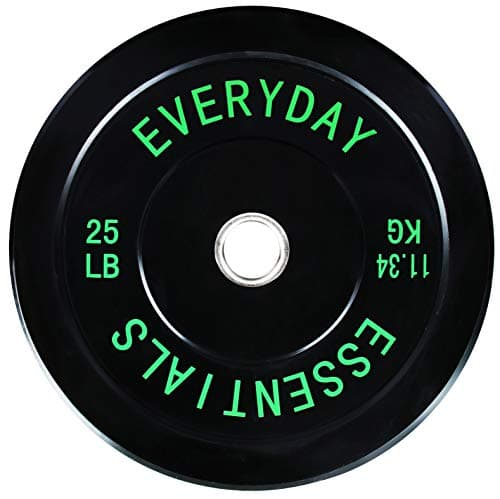
Signature Fitness Signature Fitness Olympic Bumper Plates (Steel Hub)
Signature Fitness Olympic Bumper Plates (Steel Hub)

Steel-hub bumpers sold one plate at a time — the cheapest honest way into bumpers without buying a whole set.

Best value bumper plates
8.2
$49.99Amazon

#ad · Live prices from the Amazon Product API, as of November 24, 2026. Where we have no verified live price, we show none — we would rather leave a gap than print a number that has rotted.

In detail

The picks, in full

01
CAP Barbell CAP 160 lb Competition Olympic Bumper Plate Set

Best competition bumper set

CAP 160 lb Competition Olympic Bumper Plate Set

160 lb total setCompetition styleColor codedOlympic 2 in bore
7.8/10

A matched competition-style set in one purchase — the cheaper route to color-coded plates than buying pairs.

Accuracy
8
Durability
8
Drop tolerance
9
Sleeve space
7
Value
7

Pros

  • A matched set arrives in matching thickness and color, which is the entire practical benefit of competition plates
  • Cheaper per pound than assembling the same weights pair by pair
  • 160 lb plus a 45 lb bar covers a beginner's whole working range before any second purchase

Cons

  • 160 lb is a starting set — a stronger lifter will be adding plates within the year
  • A set commits you to the maker's colors and thickness if you later want it to match

Don't buy this if…

…you already own black bumpers. Adding a competition set to them gets you two families of plates that do not match on thickness or color — buy more of what you own instead.

$222.05View on Amazon

$274.9919% off

Price as of November 24, 2026. Prices change — Amazon's is the one that counts.

#ad · we may earn a commission from this link to CAP 160 lb Competition Olympic Bumper Plate Set

02
CAP Barbell CAP 25 lb Competition Olympic Bumper Plate (pair)

Best competition bumper pair

CAP 25 lb Competition Olympic Bumper Plate (pair)

25 lb pairCompetition styleColor codedSteel insert hub
7.6/10

Competition-style color-coded bumpers by the pair, so you can build the set one weight at a time.

Accuracy
8
Durability
8
Drop tolerance
9
Sleeve space
7
Value
6

Pros

  • Buying by the pair lets you build up in the order you actually need, instead of paying for a full set of weights you will not load yet
  • Color coding is not decoration — it makes a mis-loaded bar obvious from across the room
  • Competition-style bumpers run thinner than economy bumpers of the same weight, which buys back sleeve space

Cons

  • Costs meaningfully more per pound than economy black bumpers that do the same structural job
  • Only worth the premium if you are matching a set — one odd pair among black plates loses the color advantage

Don't buy this if…

…you just need weight on the bar. Economy bumpers survive the same drops for less money, and nothing about the color makes them last longer.

$74.99View on Amazon

Price as of November 24, 2026. Prices change — Amazon's is the one that counts.

#ad · we may earn a commission from this link to CAP 25 lb Competition Olympic Bumper Plate (pair)

03
RitFit RitFit Olympic Bumper Plates (Steel Insert)

Best-looking bumper set

RitFit Olympic Bumper Plates (Steel Insert)

Steel insert hub2 in OlympicRubber bumperColor options
7.8/10

Steel-insert bumpers with a colored option — a sound drop-safe plate that looks the part.

Durability
8
Accuracy
7
Floor-friendly
10
Density
6
Value
8

Pros

  • Steel insert for hub durability, the spec that separates a keeper bumper from a throwaway one
  • Drop-safe rubber that protects the floor and bar
  • Color-coded options make weights readable at a glance

Cons

  • Colored bumpers usually cost a little more than plain black for the same weight
  • Standard bumper bulk on the sleeve

Don't buy this if…

…you want the lowest price per pound and don't care about color. Plain black steel-hub bumpers cost less and last the same.

$279.99View on Amazon

$379.9926% off

Price as of November 24, 2026. Prices change — Amazon's is the one that counts.

#ad · we may earn a commission from this link to RitFit Olympic Bumper Plates (Steel Insert)

04
Titan Fitness Titan Fitness 25 kg Calibrated Steel Powerlifting Plate

Best calibrated plate

Titan Fitness 25 kg Calibrated Steel Powerlifting Plate

25 kg calibratedMachined steel discSold individuallyOlympic 2 in bore
7.4/10

Machined steel discs sold one at a time — the closest thing to a permanent plate, and priced accordingly.

Accuracy
10
Durability
9
Drop tolerance
3
Sleeve space
10
Value
5

Pros

  • Calibrated means the weight is machined to a tolerance rather than cast and hoped for — the reason competition lifters use them
  • Thin steel discs let you fit far more weight on a sleeve than bumpers of the same total
  • Solid steel with a painted finish has no rubber to harden, crack or de-bond over decades

Cons

  • Sold individually and priced per plate, so a usable set is a serious outlay
  • Steel plates must not be dropped — on a home platform that is a genuine constraint, not a technicality

Don't buy this if…

…you deadlift to failure and let the bar go. Calibrated steel is for controlled lowering onto a rack or a platform; dropping it damages the plate, the bar and the floor.

Check price on Amazon →

No buyable offer at the last price check (November 24, 2026). We show nothing rather than a stale number.

#ad · we may earn a commission from this link to Titan Fitness 25 kg Calibrated Steel Powerlifting Plate

05
Signature Fitness Signature Fitness Olympic Bumper Plates (Steel Hub)

Best value bumper plates

Signature Fitness Olympic Bumper Plates (Steel Hub)

Steel hub insert2 in OlympicRubber bumperSold by weight
8.2/10

Steel-hub bumpers sold one plate at a time — the cheapest honest way into bumpers without buying a whole set.

Durability
9
Accuracy
7
Floor-friendly
10
Density
6
Value
9

Pros

  • A stainless steel hub is the durability upgrade that matters — it stops the center from deforming and pulling out, the classic cheap-bumper failure
  • High-density rubber with minimal bounce means you can drop them and protect your floor and bar
  • Sold as singles, so you buy exactly the weights you are missing instead of a set full of plates you already own

Cons

  • Wider than cast iron for the same weight, so a loaded bar runs out of sleeve sooner
  • Bumper rubber can have a mild smell when new, which airs out

Don't buy this if…

…you never drop the bar and want maximum weight on a short sleeve. Cast iron packs more load into less space for slow lifts — bumpers earn their bulk only if you're dropping them.

$49.99View on Amazon

Price as of November 24, 2026. Prices change — Amazon's is the one that counts.

#ad · we may earn a commission from this link to Signature Fitness Olympic Bumper Plates (Steel Hub)

How we picked

We do not run a testing lab

We compiled manufacturer specifications, read the published warranties, checked the relevant standards and aggregated owner reviews, then scored each product against a published rubric. The scores are judgments from documented research — they are not measurements we took, because we do not run a lab and we are not going to pretend we do. Where a number came from a manufacturer or a standard, we name it and link it in Sources.

Questions

Frequently asked

What are the best competition bumper plates for a home gym?

CAP's 160 lb competition-style set. It is the only matched set here bought in a single order, which is the point of a color code, and it has the thin competition profile and a steel insert hub. If you want to build the set gradually, the 25 lb pair is the same plate sold individually. For most home gyms, though, a plain steel-hub bumper does the same job for a third of the money.

What is the difference between competition and standard bumper plates?

Three things that matter: a competition-profile plate is thinner at the same weight, so more weight fits on the bar; it is color coded by weight; and it uses a steel insert molded into the rubber rather than a bolted hub. One thing that usually does not: a published weight tolerance, which only certified plates carry. Calibrated vs competition plates covers the certified end.

Are competition bumper plates worth it at home?

In three cases, yes: you train the snatch and clean and jerk, you load heavy enough that plate thickness runs you out of sleeve, or you are preparing for a meet and want the loading to feel identical. Outside those, no - a standard steel-hub bumper is the same rubber doing the same job, and the saving buys iron for your rack work.

Does competition mean the plates are certified?

No. On a retail listing the word describes a shape - thin profile, color coded, insert hub - not a certification. Genuine IWF-certified plates are tested for diameter, thickness, bounce and weight tolerance and cost several times as much. None of the rubber plates on this page publishes a tolerance figure, and we say so rather than implying one.

How many competition plates do you need to start?

A pair of 25s and a pair of 10s will load a 7 ft bar to 115 lb, which is enough to learn the lifts from the floor. Because competition plates are a color code, the usual mistake is buying one pair now and a mismatched pair later - either buy a matched set in one order or buy singles from the same product line. What weight plates to buy first sets out the order.

Keep reading

Receipts

Sources

We do not run a testing lab, and we do not pretend to. Every spec, warranty term and standard above is the manufacturer's or a published source, cited and linked. Where we could not verify something, we say so on the page rather than quietly leaving it out. Read our full method.