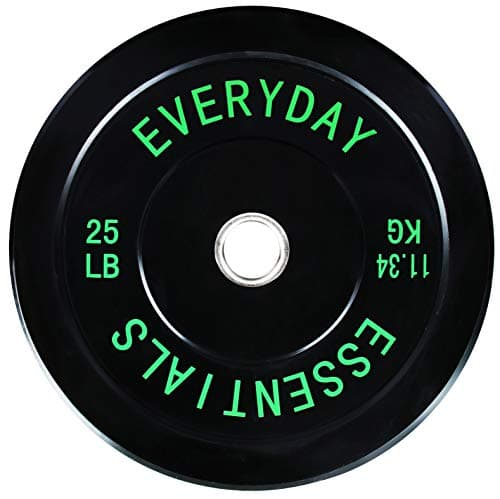
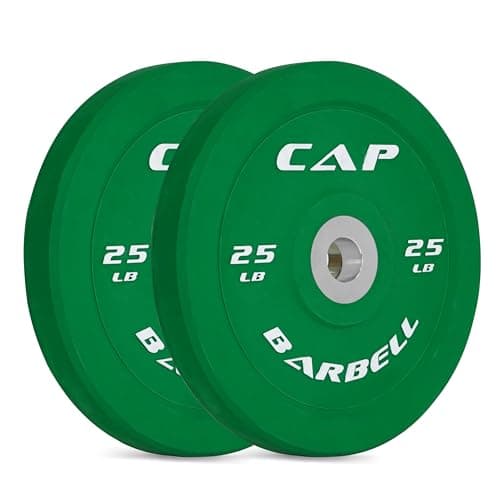
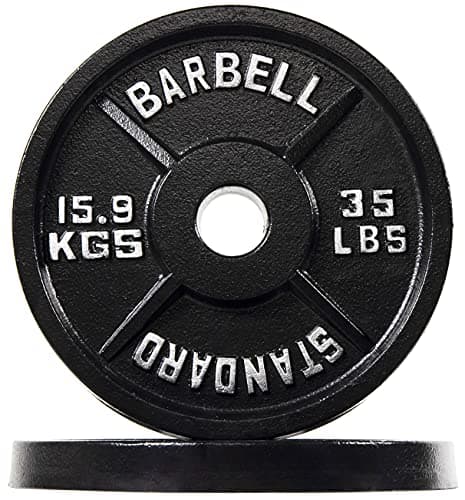
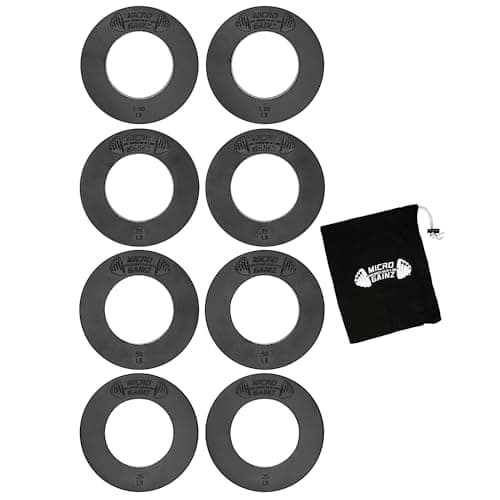
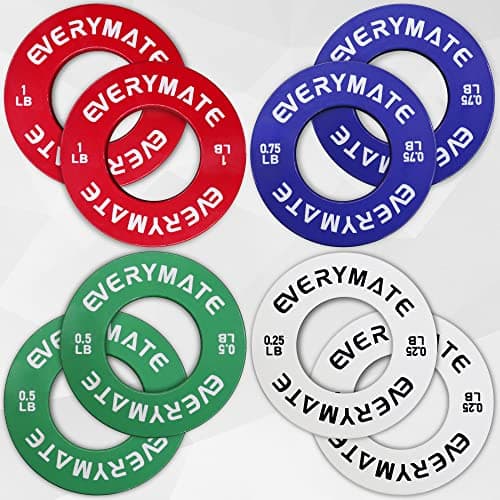
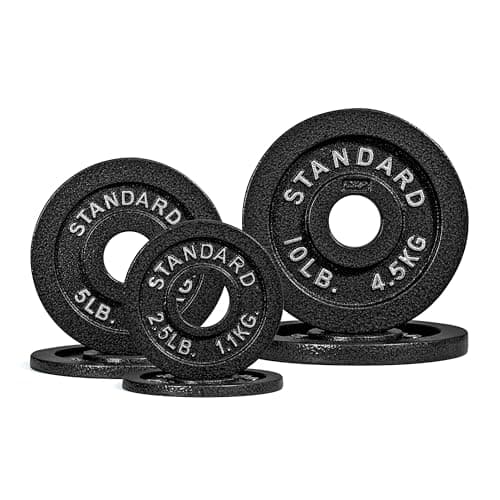
The best weight plates under $100 are CAP's Olympic cast iron plates, because bare iron under enamel has nothing in it that can age and it is the cheapest weight per pound in the band. They are for the lifter who presses, squats and rows from a rack and does not drop the bar from overhead. The budget pick is the EVERYMATE fractional set, which costs less than a single 45 lb plate and is the only purchase here that makes a stalled press move again. Between those two sits the thing this page exists to say plainly: a hundred dollars does not buy a usable set of plates, so the question is which hundred dollars of plates to buy first.
That is not a criticism of the band - it is arithmetic. Iron and rubber are sold by the pound and shipped by the pound, and a complete 300 lb set costs what 300 lb costs. What $100 buys is a pair or a part-set, which is why every pick here is ranked on how it is SOLD as much as on what it is: plates you can buy one weight at a time let you build a set over a year without ever owning the wrong plates. If you want the whole set in one order, the honest page is the Olympic weight sets roundup, and the price arithmetic for a full set is in how much weight plates cost.
How we ranked these
Plates are the simplest thing in a home gym and the easiest to overthink. Four questions settle it.
1. What the plate actually is
Cast iron is iron: it chips, it rusts if you let it, and it does not otherwise change for decades. A bumper is rubber molded around a steel hub, and the two failure modes that matter are the rubber hardening and the hub loosening in the rubber. A fractional plate is a small steel disc and the only thing that happens to it is that you lose it. None of those is better in the abstract; they answer different rooms. The comparison is made at length in bumper plates vs iron plates.
2. Whether you can buy one plate at a time
This is the spec that matters most inside a budget and the one nobody lists as a spec. Two of the picks here are sold by the single plate or by the pair, which means $100 can be two 45s now and two more in March. A packaged set inside $100 is, by arithmetic, a set of light plates - and a box of 10s and 5s is the fastest way to own plates you outgrow in a month. We rank the buy-one-at-a-time options above the part-sets for that reason, and what weight plates to buy first is the page on the order to buy them in.
3. Whether the hole is the right hole
Everything on this page is a 2 inch Olympic bore, which is what every barbell on this site takes. The 1 inch standard plates you will see for less money fit a different, lighter bar and cannot be moved onto an Olympic one later; buying them is the single most expensive mistake available in this band. The difference is set out in Olympic vs standard plates.
4. Whether the weight is the weight
Only one set on this page publishes a tolerance - the Micro Gainz fractional set, at plus or minus 5 g. Nothing else in the band publishes one, and in practice economy iron and economy bumpers run a few percent either side of their marked weight. That does not matter for training. It matters if you are chasing a number at a meet, and the page for that is calibrated vs competition plates.
What $100 actually buys, and what it does not
It buys a pair of mid-weight iron plates, or one heavy steel-hub bumper, or a competition-style color-coded pair, or an entire fractional set with change to spare. It does not buy a working set of plates for a barbell, and any listing suggesting otherwise is either selling 1 inch standard plates, selling very light plates, or counting a sand-filled vinyl product as a plate.
It also does not buy drop-safe plates in quantity. One steel-hub bumper inside the band is a real purchase and two is better, but a bumper set starts well above this ceiling - and bumpers are the correct answer only if you deadlift or clean from the floor on concrete. The lifespan picture for rubber is in how long bumper plates last.
And it does not buy storage. Plates on a floor get kicked, chipped and rolled, and a tree or a horizontal holder is the cheapest thing you can do for the life of the iron. Those are ranked on the plate storage page, and two of the options there sit inside this same $100 band.
Iron or rubber: the actual decision
Here is the clearest way to put it. Iron is cheaper per pound, thinner on the sleeve (so more of it fits on a bar), and effectively permanent. Rubber survives being dropped, protects the floor and the bar, and is quieter. Read naively, iron wins on every durability measure. Read properly, the measure that decides it is whether the bar ever leaves your hands at the top of a rep.
So the question is what you lift and where. Press, squat, row and bench in a rack with safeties: buy iron, buy it heavy, buy it one pair at a time. Deadlift or clean from the floor in a garage on a slab: buy bumpers even though you will own fewer of them, and the shelf above this band is the bumper plate roundup. Lift in a room with a neighbour under you and the answer is bumpers and a mat, which is the argument in a home gym on a second floor.
There is a third answer this band makes possible that the expensive bands do not. For under thirty dollars you can own the plates that let you add one and a half pounds to a bench press instead of five, which for most lifters buys more progress in a year than another 45 does. That is why a fractional set is the budget pick here rather than an afterthought, and the category is compared on the fractional plates page.
Who each pick is for
CAP Olympic cast iron - you want the cheapest permanent weight per pound and you lift in a rack rather than from the floor. Signature steel-hub bumpers - you deadlift on concrete, you want rubber, and you want to buy it one plate at a time instead of waiting for a set. CAP competition bumper pair - you want color-coded competition-style plates and you are willing to build the set a pair at a time; the full category is on the competition bumper plate page. Fitvids deep-dish iron - you already own a part-set and need a specific pair to fill the gap. Micro Gainz fractionals - the numbers matter to you and you want the one published tolerance in the band. EVERYMATE fractionals - the budget pick: the cheapest purchase on this page and the one most likely to change what your bar can do next month.
Two things make plates last longer than they otherwise would. Collars, because a plate that slides is a plate that gets dropped - ranked on the barbell collars page - and a dry storage spot, because enamel over iron is a coating and not an immunity. The garage version of that problem is in how to keep gym equipment from rusting in a garage.